Examining the Early Effects of Trump Administration Policies on Chicago and Illinois
Trade Tariffs and Their Ripple Effects on Illinois’ Manufacturing and Export Markets
During the initial 100 days of President Donald Trump’s tenure, Illinois’ manufacturing and trade sectors encountered considerable upheaval due to newly imposed tariffs on imported goods. These levies have escalated production expenses, particularly for industries dependent on foreign raw materials, thereby undermining their ability to compete in both domestic and global markets. Consequently, numerous manufacturers have curtailed output or postponed expansion initiatives amid growing economic uncertainty.
Notable consequences include:
- Escalation in costs for steel and aluminum imports, significantly impacting automotive and construction industries.
- Strained relations with international trade partners, triggering retaliatory tariffs on Illinois-made products.
- Supply chain interruptions causing delays in manufacturing schedules.
| Industry | Tariff Effect | Adaptive Strategies |
|---|---|---|
| Automotive | Production costs increased by 12% | Shift towards domestic suppliers |
| Steel | 20% tariff on imports | Boosting local manufacturing capacity |
| Aerospace | Delays in component procurement | Supplier diversification |
Federal Budget Reductions and Their Impact on Chicago’s Essential Services and Infrastructure
Federal budget cuts enacted early in the Trump administration have placed significant pressure on Chicago’s public services and infrastructure projects. Critical sectors such as education, public safety, healthcare, and transportation have all experienced funding shortfalls, which have led to diminished service quality and delayed modernization efforts. Fire and police departments face equipment procurement delays and staffing challenges, while public schools struggle with reduced grants that traditionally support extracurricular activities and facility maintenance. Infrastructure initiatives, including transit upgrades and water system repairs, have also been postponed, raising concerns about the city’s long-term sustainability.
Funding reductions by sector include:
- 12% cut in public safety budgets, delaying vital equipment updates.
- 7% decrease in education funding, impacting afterschool and special education programs.
- 15% reduction in infrastructure grants, stalling transit and water system improvements.
- Healthcare funding trimmed, limiting preventative and community health services.
| Sector | Funding Before Cuts | Funding After Cuts | Resulting Impact |
|---|---|---|---|
| Public Safety | $150 million | $132 million | Postponed equipment upgrades |
| Education | $220 million | $205 million | Reduced extracurricular offerings |
| Infrastructure | $180 million | $153 million | Transit project delays |
| Healthcare | $95 million | $85 million | Cutbacks in preventative care |
Effects of Immigration Raids on Illinois Communities and Labor Markets
The aggressive immigration enforcement actions initiated under the Trump administration have deeply affected immigrant communities throughout Chicago and Illinois. These raids have generated widespread fear, leading to business shutdowns and interruptions in essential community services. Schools have reported a marked drop in attendance as families avoid public spaces to reduce the risk of deportation. Moreover, these enforcement measures have eroded trust between law enforcement agencies and immigrant residents, complicating collaborative efforts to maintain public safety.
Labor markets have also been disrupted, particularly in sectors heavily dependent on immigrant workers such as construction, hospitality, and agriculture. Employers face challenges filling vacancies amid heightened uncertainty and workforce attrition. A recent survey by the Illinois Chamber of Commerce revealed:
- 35% of businesses experienced operational slowdowns due to employee absences.
- 40% reported increased recruitment expenses linked to turnover and fear-driven resignations.
- 50% anticipate enduring negative effects on productivity and business growth.
These workforce challenges highlight the broader economic and social ramifications of stringent immigration policies on the state’s stability.
Strategic Policy Approaches to Address Illinois’ Economic and Social Challenges
To counteract the multifaceted pressures facing Illinois, policymakers must adopt comprehensive strategies aimed at economic stabilization and social cohesion. Providing targeted financial support to small and medium-sized enterprises, especially within manufacturing and agriculture, can help mitigate the adverse effects of tariffs and preserve jobs. Reinstating and expanding federal funding for social programs and infrastructure projects is essential to restore vital community services and modernize aging systems. Additionally, workforce development initiatives focused on retraining displaced workers will enhance economic resilience and adaptability.
Strengthening community relations and immigrant protections is equally vital. Building collaborative frameworks between local law enforcement and immigrant advocacy groups can rebuild trust and reduce the chilling impact of enforcement actions. Expanding access to legal aid and emergency support services will help safeguard vulnerable populations and promote social stability. The following table outlines immediate and long-term policy priorities to guide recovery efforts:
| Focus Area | Recommended Action | Implementation Timeline |
|---|---|---|
| Economic Recovery | Subsidies for small businesses | Immediate (0-6 months) |
| Workforce Enhancement | Job retraining and skills development | Short-term (6-12 months) |
| Social Services | Restore and increase federal aid | Immediate (0-6 months) |
| Community Engagement | Expand immigrant legal and social support | Ongoing |
Looking Ahead: Navigating Illinois’ Path Through Federal Policy Shifts
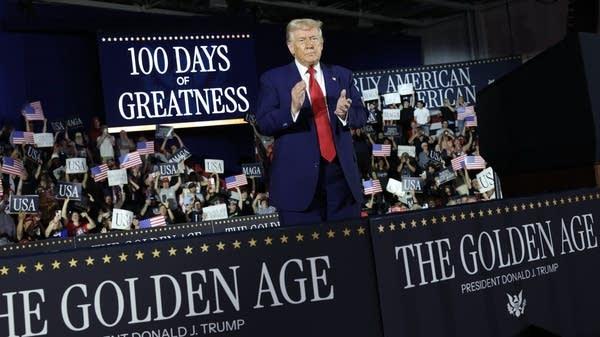
As the Trump administration’s first 100 days concluded, Chicago and Illinois found themselves grappling with a series of federal policy changes that have begun to reshape the state’s economic and social fabric. From tariff-induced disruptions in key industries to budget cuts undermining public services, alongside intensified immigration enforcement fracturing communities, the challenges are substantial. The coming months will be pivotal in determining how effectively Illinois can adapt and respond to these evolving federal directives. While the full scope of these impacts remains to be seen, the state stands at a critical juncture, balancing resilience with the need for strategic intervention.