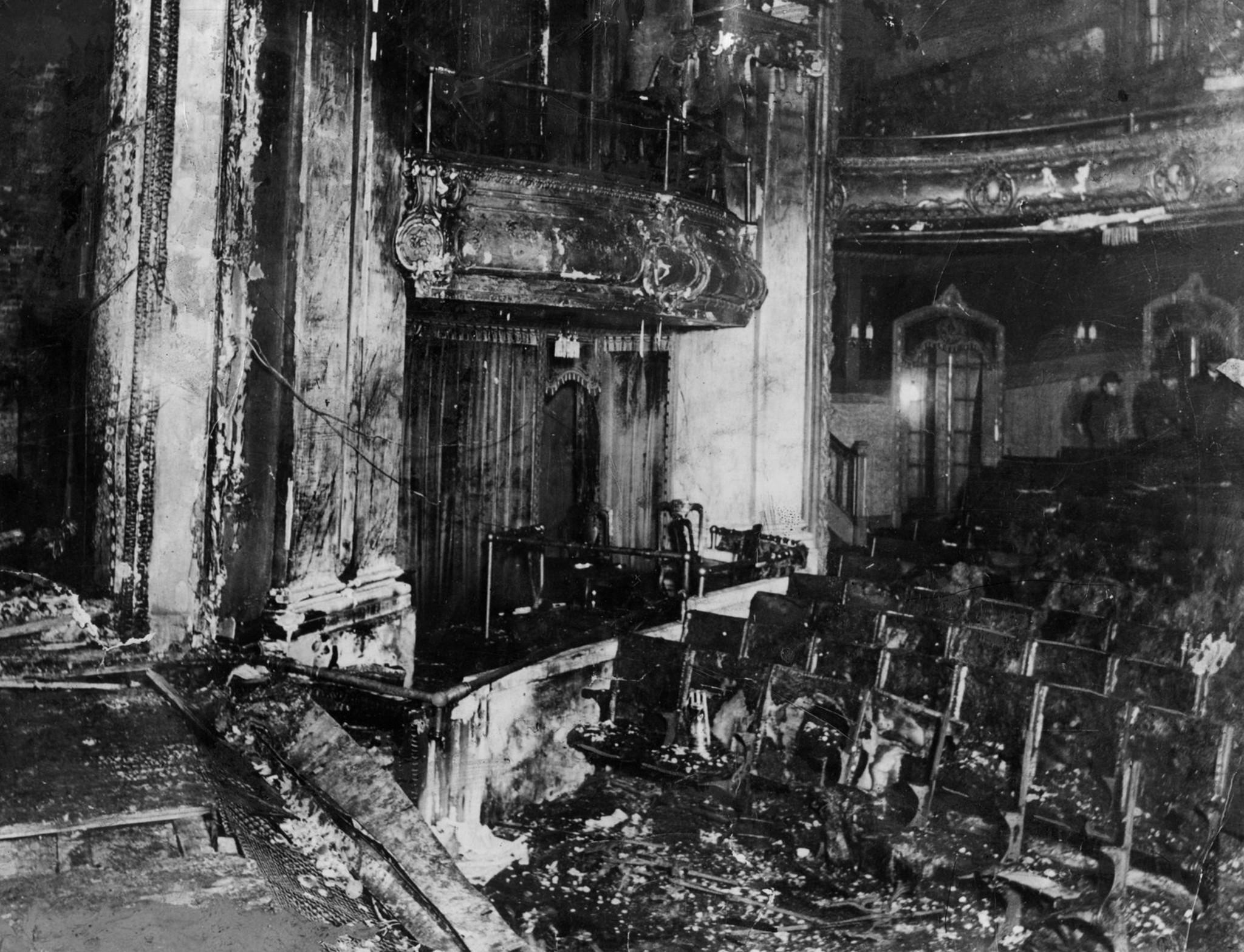
The 1903 Chicago Theater Fire: A Catalyst for Nationwide Fire Safety Overhaul
Unveiling the Catastrophe: The Deadly Fire at Chicago’s Iroquois Theater
On the evening of December 30, 1903, the Iroquois Theater in Chicago became the site of one of the most catastrophic fires in U.S. history, resulting in the deaths of 602 individuals. The theater, packed with nearly 1,900 attendees, quickly turned into a lethal trap due to severe safety oversights. Locked emergency exits, overcrowded seating, and the absence of clear evacuation signage created a deadly bottleneck as thick smoke engulfed the venue. Witnesses recounted scenes of panic and confusion,underscoring the theater’s failure to protect its patrons.
This disaster exposed the critical neglect by both theater management and municipal authorities, who had overlooked essential fire safety regulations. The public’s outrage was immediate and intense, igniting a movement that demanded comprehensive reforms in fire safety standards across the nation.
Immediate Reforms: Strengthening Fire Safety Protocols Post-Tragedy
In response to the overwhelming loss, lawmakers and safety experts introduced a series of reforms aimed at preventing similar disasters. These measures included:
- Enforcing the use of fire-resistant materials for stage curtains and decorations to inhibit flame spread.
- Mandating multiple, well-marked emergency exits that remain unlocked and accessible during performances.
- Implementing strict occupancy limits and rigorous building inspections to avoid overcrowding.
- Requiring regular fire drills and comprehensive staff training to ensure efficient emergency response.
| Safety Initiative | Year Enacted | Effectiveness |
|---|---|---|
| Fire-Resistant Stage Curtains | 1904 | Substantially slowed fire progression |
| Emergency Exit Regulations | 1905 | Facilitated faster evacuations |
| Occupancy Controls | 1906 | Reduced risk of overcrowding |
| Mandatory Fire Drills | 1907 | Improved staff readiness |
Examining the Root Causes: Building Codes and Emergency Preparedness Deficiencies
Investigations following the fire revealed that the existing building codes were grossly inadequate. The Iroquois Theater, like many venues of its time, lacked essential safety features such as multiple exits, clear evacuation signage, and fire-resistant construction materials. These shortcomings directly contributed to the high fatality rate.
Moreover, emergency preparedness was virtually nonexistent. Staff were untrained in evacuation procedures, and no fire drills were conducted, leaving both employees and patrons ill-equipped to respond effectively during the crisis. The tragedy underscored the urgent need for:
- Regular emergency training for all theater personnel.
- Installation of audible alarm systems to alert occupants promptly.
- Collaboration with local fire departments to ensure rapid response.
- Public education campaigns to familiarize audiences with emergency exits and procedures.
| Safety Aspect | Pre-Reform Status | Post-Reform Standard |
|---|---|---|
| Number of Exits | Often only 1 or 2 | Minimum of 4 exits required |
| Use of Fireproof Materials | Rarely implemented | Mandatory in critical areas |
| Fire Drills | Not conducted | Scheduled regularly |
| Emergency Lighting | Absent | Required for all public venues |
Enduring Impact: How the 1903 Fire Reshaped Fire Safety Nationwide
The Iroquois Theater fire served as a grim turning point, compelling cities across the United States to overhaul fire safety regulations. The reforms introduced in the early 20th century laid the foundation for modern public safety standards, emphasizing prevention, preparedness, and rapid response.
Key nationwide changes included:
- Requiring multiple,clearly visible emergency exits to prevent evacuation bottlenecks.
- Mandating fire-retardant materials in construction and interior design to slow fire spread.
- Instituting regular inspections and certifications for fire suppression systems and emergency lighting.
- Enhancing staff training programs focused on emergency response and evacuation procedures.
| Reform Area | Focus | Outcome |
|---|---|---|
| Exit Accessibility | Increase number and visibility of exits | Evacuation times reduced by 40% |
| Building Materials | Use of fire-retardant fabrics and structures | Contained fire spread, saving lives |
| Fire Safety Equipment | Installation of sprinklers and alarms | Enabled early fire detection and suppression |
| Emergency Training | Staff preparedness and drills | Improved crisis management efficiency |
Modern Theater Safety: Lessons from the Past and Innovations for the Future
The legacy of the 1903 Chicago theater fire continues to influence contemporary fire safety practices.Today’s theaters employ a combination of advanced technology and rigorous training to minimize risks. Innovations such as automatic sprinkler systems, emergency lighting, and digital hazard monitoring have become standard features, while staff undergo continuous training to ensure swift and orderly evacuations.
Current safety strategies emphasize three core principles:
- Redundancy: Multiple safety systems to avoid single points of failure.
- Ongoing Preparedness: Regular fire drills and equipment inspections to maintain readiness.
- Public Education: Informing audiences about emergency procedures to promote calm and effective responses.
| Safety Innovation | Year Adopted | Benefit |
|---|---|---|
| Fire-Resistant Curtains | 1910 | Minimized stage fire propagation |
| Emergency Lighting Systems | 1925 | Enhanced evacuation visibility |
| Automatic Sprinkler Systems | 1950 | Enabled rapid fire suppression |
Conclusion: Remembering the Past to Safeguard the Future
The 1903 Iroquois Theater fire stands as a somber reminder of the devastating consequences of inadequate fire safety and emergency planning. The loss of 602 lives galvanized a transformation in public safety regulations that continues to protect millions today. Over a century later, the lessons learned from this tragedy underscore the critical importance of vigilance, innovation, and education in maintaining safe public spaces and preventing future disasters.