How Democrats Are Tackling Urban Crime Challenges Ahead of the 2024 Elections
Urban Crime Trends and Political Pressures Facing Democrats
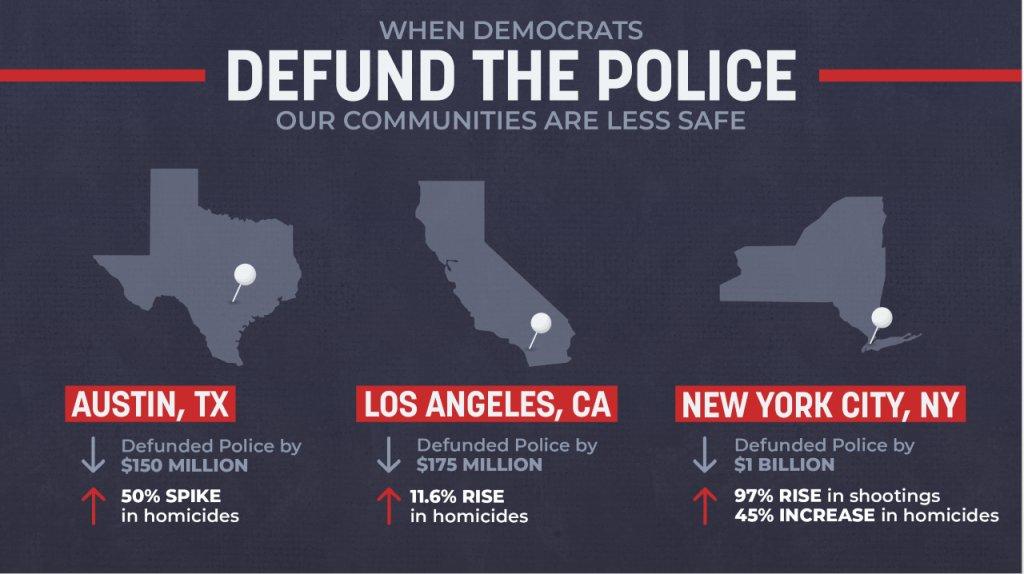
As the 2024 election season gains momentum, Democratic officials are under mounting scrutiny to address escalating crime rates in cities long considered their political bastions.With former President Donald Trump intensifying his law-and-order messaging and spotlighting crime in Democratic-run municipalities, the party faces critical questions about whether its crime policies have adapted effectively to public safety concerns. This analysis delves into how Democratic leaders are responding to these pressures, assessing their readiness to counteract Trump’s crime-focused narrative while safeguarding their urban constituencies.
Factors driving recent crime patterns include:
- Changes in police department budgets and resource distribution
- Lingering social service disruptions stemming from the COVID-19 pandemic
- Heightened sociopolitical tensions impacting community-police relations
- Increases in firearm-related violence and narcotics offenses
Below is a snapshot of crime and policing trends in select metropolitan areas over the last two years:
| City | Change in Violent Crime (%) | Change in Property Crime (%) | Change in Police Funding (%) |
|---|---|---|---|
| New York City | +14% | -7% | +6% |
| Chicago | +20% | +4% | -5% |
| Los Angeles | +11% | -6% | +3% |
| Philadelphia | +16% | +2% | 0% |
Shifting Crime Policies: Democratic Responses and Innovations
In recent years, Democratic city leaders have been under intense pressure to reform crime policies amid growing public unease about safety. Striving to strike a balance between reformist demands and the necessity for effective policing, many have introduced new strategies aimed at reducing crime while addressing systemic inequities. These include bolstering community policing programs, expanding mental health crisis intervention teams, and leveraging data analytics to target crime hotspots. Despite these efforts, critics argue that some initiatives lack sufficient impact or consistency in execution.
Core components of these evolving policies include:
- Strengthened partnerships between law enforcement and social service providers to address underlying causes of criminal behavior.
- Deployment of advanced technology to enhance response efficiency and transparency.
- Implementation of accountability frameworks such as body-worn cameras and civilian review boards.
| Policy Initiative | Goal | Obstacles |
|---|---|---|
| Community Policing | Enhance public trust and reduce tensions | Uneven submission across neighborhoods |
| Mental Health Crisis Teams | Lower arrest rates and de-escalate incidents | Limited funding and staffing shortages |
| Transparency Measures | Increase law enforcement accountability | Resistance from some police unions |
Integrating Reform and Enforcement: Strategies to Rebuild Voter Trust
Democratic officials face the delicate task of addressing crime concerns without alienating their progressive base. The key lies in crafting policies that not only curb criminal activity but also promote equity, rebuild community trust, and avoid the pitfalls of overly punitive approaches. Prosperous cities have combined community engagement with investments in social services,recognizing that public safety is intertwined with economic prospect and social well-being.
Effective approaches often emphasize:
- Transparency and accountability within police departments
- Expanded funding for mental health and substance abuse programs
- Neighborhood partnerships empowering residents to participate in safety initiatives
| City | Primary Reform Focus | Crime Impact | Public Opinion |
|---|---|---|---|
| Seattle | Community policing and civilian oversight | Moderate reduction in violent crime | Mixed, with strong reform advocates |
| Philadelphia | Investment in mental health services | Meaningful decrease in property crimes | Generally positive |
| Chicago | Data-driven enforcement and prevention | Crime rates stabilized | Divided opinions |
Strategies to Enhance Public Safety While Upholding Progressive Values
Bridging the divide between effective policing and progressive ideals demands a complete approach that respects community concerns and prioritizes safety. Investing in community policing that fosters genuine relationships between officers and residents can build trust and cooperation. Additionally, expanding mental health and social support services addresses the root causes of crime, reducing dependence on aggressive law enforcement tactics. Implementing transparent data-sharing systems can improve accountability while preserving necessary discretion for officers.
Policymakers should emphasize evidence-based frameworks that deliver tangible outcomes and safeguard civil rights. Recommended strategies include:
- Standardized de-escalation training for all law enforcement personnel
- Empowered community advisory boards with real oversight authority
- Redirecting funds toward youth progress and vocational training programs
- Upgrading technology to better monitor crime trends and resource deployment
| Approach | Anticipated Result | Appeal to Progressives |
|---|---|---|
| Community Policing | Stronger community relations,fewer arrests | High |
| Mental Health Services | Lower recidivism rates | High |
| De-escalation Training | Reduced use-of-force incidents | High |
| Youth Engagement Programs | Crime prevention and improved opportunities | Very High |
Final Thoughts: The Road Ahead for Democrats on Crime Policy
As Democrats grapple with the multifaceted challenges of urban crime amid the 2024 election cycle,the effectiveness of their evolving strategies remains under close observation. Balancing reformist ideals with the imperative for public safety, party leaders are recalibrating their approaches to meet voter expectations and counteract political attacks.Whether these efforts will yield significant crime reductions and translate into electoral gains is yet to be determined. Nonetheless, crime policy is set to remain a central and contentious issue shaping the national political discourse in the months ahead.