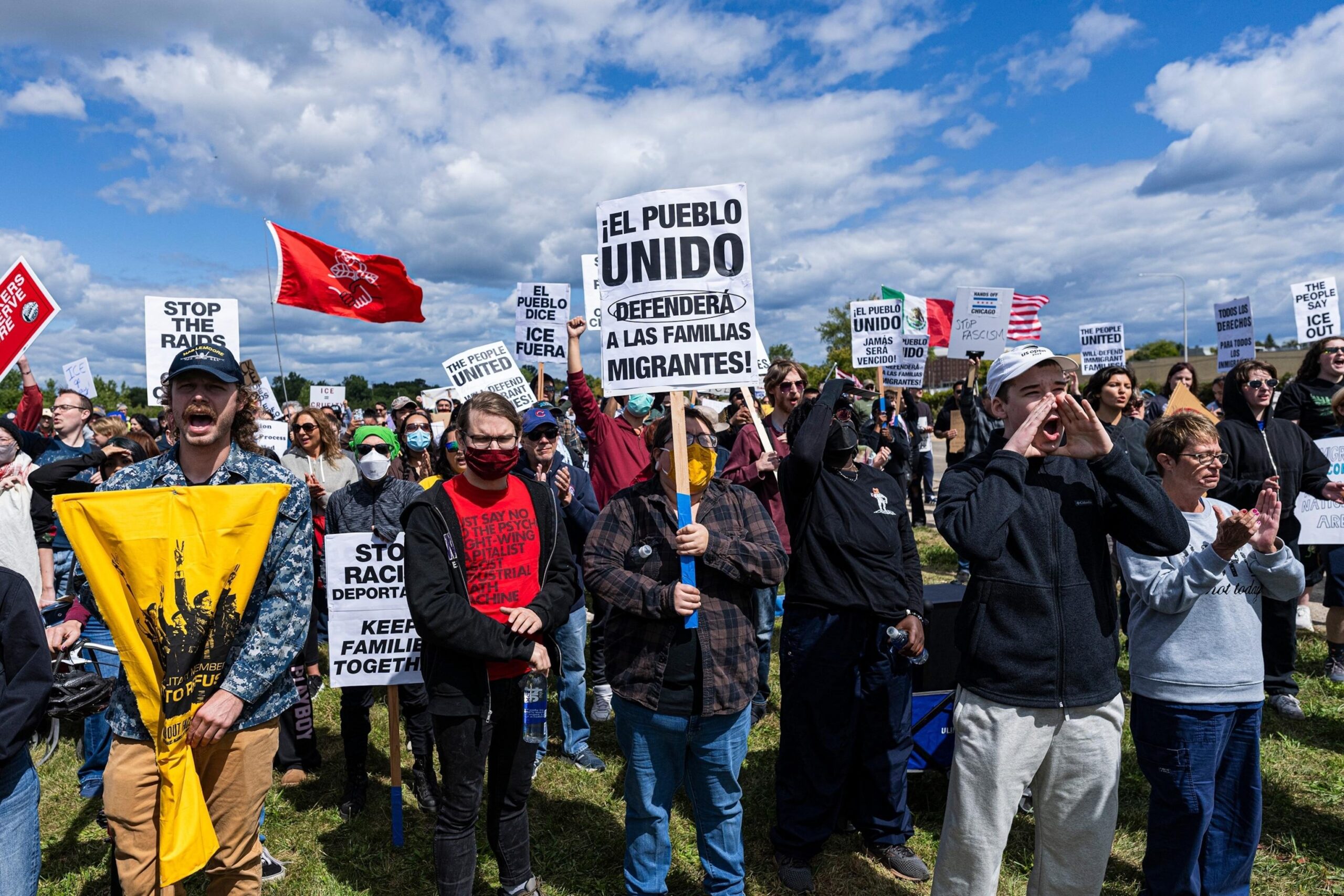
Illinois Faces Escalated ICE Enforcement Under Trump Administration
Federal Immigration Crackdown Intensifies in Illinois
The Trump administration has launched a heightened Immigration and Customs Enforcement (ICE) initiative across Illinois, aiming to strengthen efforts to identify, detain, and deport undocumented immigrants. This federal push, reported by Reuters, represents a marked intensification of immigration enforcement, notably targeting municipalities perceived as less cooperative with ICE directives. The operation aligns with President Donald Trump’s broader immigration agenda, emphasizing stricter law enforcement and prioritizing public safety concerns.
This campaign focuses on individuals who have breached federal immigration laws, especially those with criminal backgrounds. ICE officials stress their mission to uphold legal compliance and protect communities statewide.
Core Elements of the Enforcement Strategy
- Expanded raid operations: ICE will increase the frequency and scope of enforcement actions at multiple locations throughout Illinois.
- Strengthened collaboration with local agencies: Partnerships with municipal law enforcement aim to streamline identification and detention processes.
- Targeted enforcement priorities: Emphasis on apprehending individuals involved in serious offenses, including violent crimes and repeated immigration violations.
| Region | Enforcement Activities | Anticipated Outcomes |
|---|---|---|
| Chicago Metropolitan Area | Increased workplace inspections and patrols | Removal of high-risk undocumented individuals |
| Suburban Counties | Community engagement combined with enforcement | Improved identification and legal case reviews |
| Border-Adjacent Zones | Joint operations with federal border agents | Enhanced transit and border security enforcement |
Consequences for Illinois Communities and Immigrant Residents
The surge in ICE activity has already generated palpable unease within Illinois’ immigrant communities.Local advocacy groups report a growing climate of fear and mistrust toward public institutions, as undocumented residents worry about family separations and legal repercussions. This atmosphere has led to a noticeable decline in participation in social services, as many avoid accessing healthcare, education, or legal aid due to concerns over potential detention.
Experts caution that this enforcement escalation may inadvertently undermine public safety by discouraging undocumented individuals from reporting crimes or cooperating with law enforcement. The broader social and economic impacts include:
- Increased stress and instability among immigrant families, affecting work and daily routines
- Strains on schools and healthcare providers serving diverse populations
- Rising demand for legal assistance and advocacy resources
- Potential economic setbacks in neighborhoods dependent on immigrant labor, with some estimates suggesting a 10-15% decline in local business revenues
| Community Aspect | Projected Impact |
|---|---|
| Public Trust in Law Enforcement | Marked reduction |
| School Enrollment and Attendance | Moderate decline |
| Utilization of Public Services | Notable decrease |
| Local Economic Activity | Potential 10-15% downturn |
Illinois Officials Push Back: Legal Actions and Policy Responses
In reaction to the federal crackdown, Illinois state leaders have swiftly mobilized legal and political resistance. Governor J.B. Pritzker has openly criticized the intensified ICE operations, pledging to defend the constitutional rights of all Illinois residents. The state Attorney General’s office has initiated emergency legal motions seeking to block federal agents from conducting detentions without adherence to state laws, particularly those protecting sanctuary policies.
Local governments and immigrant advocacy organizations have united to file amicus briefs and coordinate legal defenses, framing the federal enforcement as an overextension of authority. Key countermeasures include:
- Challenging ICE detentions lacking state-issued warrants through litigation
- Issuing executive orders limiting state cooperation with federal immigration enforcement
- Deploying legal aid teams to support individuals impacted by raids
- Launching public education campaigns to inform residents of their rights during ICE encounters
| Illinois Entity | Response Approach | Legal Framework |
|---|---|---|
| Governor’s Office | Executive directives to protect residents | State executive authority |
| Attorney General | Filing injunctions against federal actions | State judicial system |
| Municipal Governments | Adoption of sanctuary city resolutions | Local legislative ordinances |
| Advocacy Organizations | Provision of legal aid and civil rights advocacy | Civil rights and immigration law |
Strategies for Community Resilience and Immigrant Advocacy
To mitigate the effects of increased immigration enforcement, community groups and immigrant rights advocates must adopt proactive strategies. Establishing thorough legal support networks is critical to provide immediate assistance to those targeted by ICE operations. Educational outreach should focus on informing immigrant populations about their legal rights and appropriate responses during enforcement encounters, emphasizing the importance of remaining composed and requesting legal depiction.
Building strong communication channels within neighborhoods is equally vital. Utilizing emergency alert systems, phone trees, and local support networks can facilitate rapid information sharing during enforcement actions. The following table outlines essential initiatives for community leaders:
| Initiative | Objective |
|---|---|
| Legal Rights Workshops | Educate immigrants on their rights and ICE procedures |
| Rapid Response Teams | Provide immediate support during ICE raids |
| Community Alert Networks | Ensure swift dissemination of critical information |
| Collaboration with Local Officials | Advocate for protective policies and sanctuary measures |
Looking Ahead: Navigating the Future of Immigration Enforcement in Illinois
As the Trump administration escalates immigration enforcement in Illinois,the responses from local communities,state officials,and advocacy groups will shape the evolving landscape. This intensified ICE activity highlights the ongoing national discourse surrounding immigration policy, enforcement priorities, and civil rights protections. The coming months will be critical in determining the social,legal,and economic ramifications for Illinois residents. Continued monitoring and reporting will be essential to understand the full impact of these federal actions.