Balancing Federal Intervention and Local Strategies Amid Chicago’s Rising Violence
Federal Troop Deployment Proposal Sparks Controversy as Chicago Confronts Crime Surge
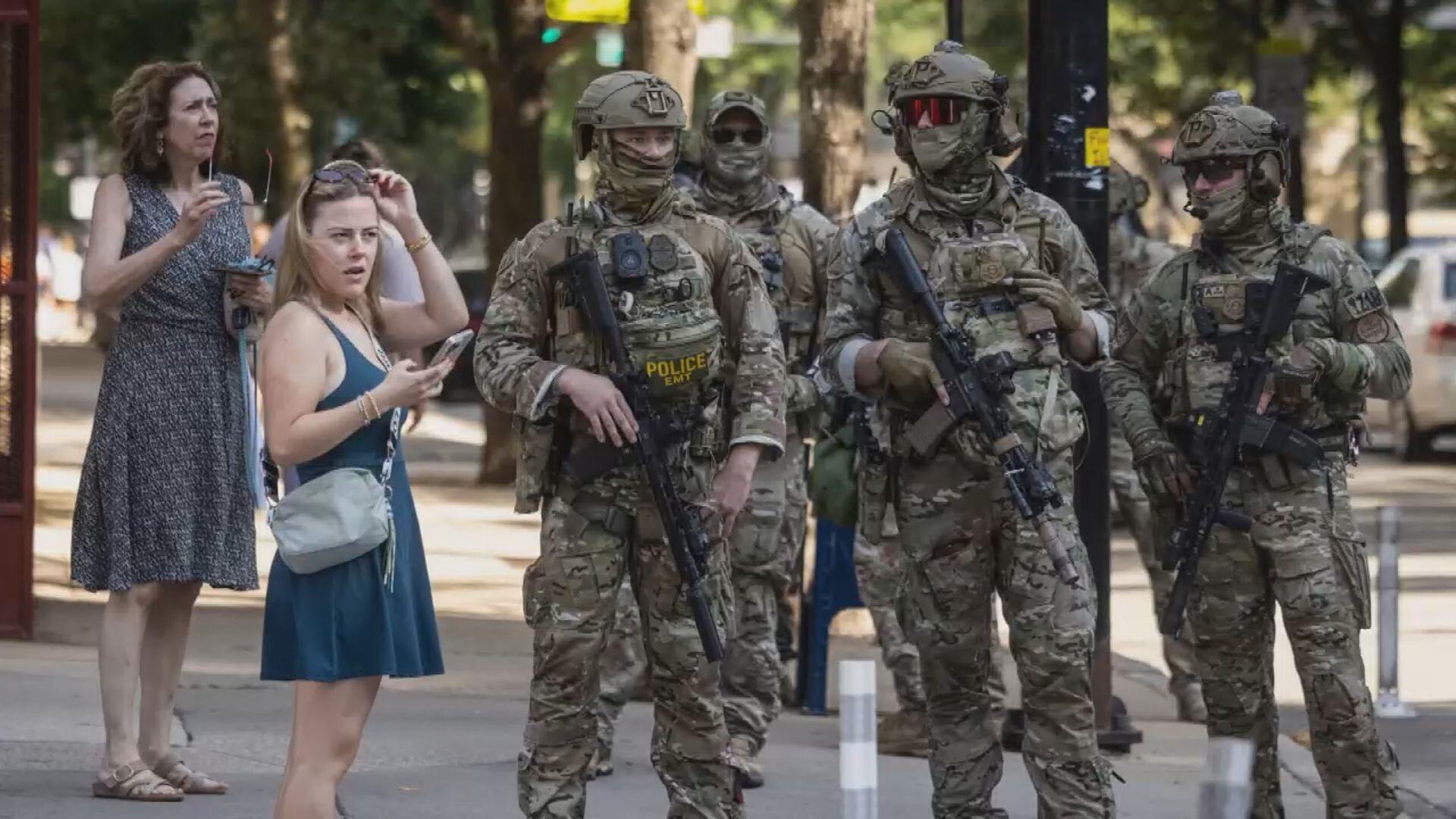
In response to a notable increase in violent incidents, former President Donald Trump has called for the deployment of federal troops to Chicago, arguing that the city’s police force is stretched too thin to manage the escalating crime effectively. Trump insists that federal involvement is essential to reestablish law and order. However, Chicago’s municipal leaders strongly oppose this approach, cautioning that proposed cuts to local law enforcement budgets and social services-key components in crime prevention-could worsen the situation. They advocate for a strategy centered on community support and prevention rather than a militarized crackdown.
City officials identify several underlying contributors to the recent crime spike, including:
- Decreased funding for youth engagement and social outreach programs
- Growing distrust between residents and police following recent controversies
- Economic instability intensified by pandemic-related job losses and inflation
These factors fuel skepticism about whether increased federal enforcement alone can address the root causes of violence.Rather, Chicago’s leadership promotes a comprehensive plan emphasizing education, employment opportunities, and mental health services to achieve lasting crime reduction.
| Contributing Factor | Effect on Crime | City’s Proposed Solution |
|---|---|---|
| Cuts to Social Programs | Rise in youth involvement in gangs and violence | Boost funding for after-school and mentorship programs |
| Community-Police Mistrust | Lower cooperation with law enforcement efforts | Expand community policing and trust-building initiatives |
| Economic Hardship | Increased desperation leading to criminal activity | Enhance job training and employment placement services |
Local Leaders Warn That Budget Cuts Could Undermine Crime Prevention Progress
City officials stress that reducing funding for community-based crime prevention programs risks reversing recent gains in public safety. While federal troop deployment may offer short-term relief, Chicago’s leaders argue that cutting budgets for proven local initiatives could cripple efforts that rely on community engagement and data-driven policing. Key programs at risk include:
- Violence interrupter teams operating within neighborhoods
- After-school mentorship and intervention programs targeting at-risk youth
- Advanced crime analytics and predictive policing technologies
- Training programs designed to foster positive police-community relations
Experts caution that diminishing these resources may increase reliance on federal forces, which lack the nuanced understanding necessary for sustainable crime reduction.
| Program | Annual Funding | Measured Impact |
|---|---|---|
| Violence Interrupters | $4.5 million | 22% reduction in shootings |
| Youth Outreach | $3.2 million | 18% decrease in juvenile arrests |
| Crime Data Analytics | $1.8 million | 15% faster police response times |
| Community Policing Training | $2.0 million | Improved public trust scores |
Advocates Urge Prioritizing Social Investments Over Militarized Policing
Community leaders and advocacy organizations have united in urging policymakers to increase funding for social programs rather than expanding militarized law enforcement. They argue that tackling the root causes of violence-such as poverty, educational disparities, and insufficient mental health care-will yield more durable reductions in crime. Investments in community centers, youth engagement, and affordable housing are seen as vital to creating safer neighborhoods without escalating tensions through aggressive policing tactics.
Critics of federal troop deployment warn that reallocating funds toward military-style policing could deepen mistrust and social divides. Rather, they highlight successful examples where enhanced social spending correlates with crime declines, including:
- Expanded after-school programs linked to reduced juvenile delinquency
- Mental health crisis intervention teams lowering non-violent police encounters
- Job training and placement initiatives mitigating economic despair
| Program Type | Annual Investment | Reported Outcomes |
|---|---|---|
| Youth Outreach | $3 million | 15% reduction in youth crime |
| Mental Health Services | $2.5 million | 30% fewer police interventions |
| Job Training | $4 million | 20% increase in employment rates |
Experts Advocate for Integrated Community and Law Enforcement Collaboration
Urban policy specialists and criminologists recommend a holistic approach to Chicago’s public safety challenges, emphasizing that militarized tactics alone are insufficient. They stress the importance of combining local resources with active community participation to rebuild trust and address systemic issues fueling violence. Effective crime reduction depends on coordinated efforts among law enforcement, social services, and community organizations to tackle poverty, educational gaps, and limited economic opportunities.
Key strategies proposed include:
- Building partnerships between police and community leaders to improve openness and dialog
- Expanding youth mentorship programs to deter gang involvement
- Increasing access to mental health services tailored to trauma in high-crime areas
- Allocating resources for workforce progress and affordable housing initiatives
| Resource | Expected Impact | Community Involvement |
|---|---|---|
| Youth Mentorship | 25% decrease in gang recruitment | Nonprofit organizations |
| Neighborhood Policing | 40% increase in community trust | Police and residents |
| Job Training Programs | 30% reduction in youth unemployment | City agencies and local businesses |
| Mental Health Outreach | 15% decline in violent incidents | Healthcare providers and community centers |
Conclusion: Navigating the Complex Path to Safer Communities in Chicago
The ongoing debate over federal troop deployment in Chicago underscores the intricate challenges of urban crime prevention. While national leaders advocate for increased federal law enforcement presence,local officials warn that simultaneous budget reductions to vital social programs could undermine progress and intensify existing problems. This discourse highlights the necessity for balanced, multifaceted strategies that combine enforcement with robust community investment to effectively reduce violence and foster long-term public safety in Chicago.