Understanding the Texas National Guard’s Domestic Role: Deployment, Authority, and Impact
Texas National Guard’s Expanding Role in Urban Crisis Response
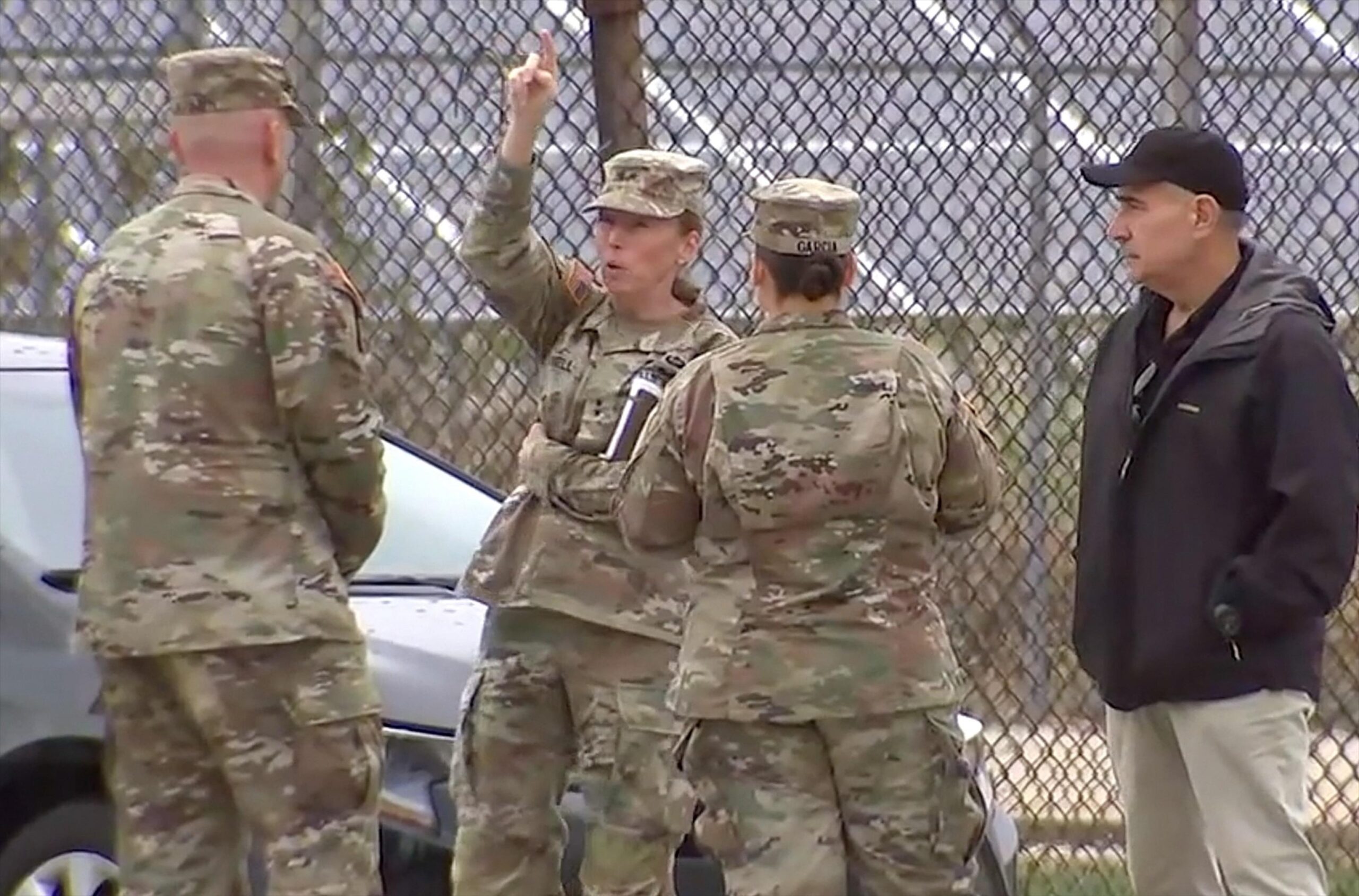
The Texas National Guard has increasingly been called upon to assist in major metropolitan areas beyond its home state, including recent deployments to cities like Chicago amid episodes of civil unrest and natural calamities.Their primary objective in these missions is to bolster local agencies by delivering security support, logistical aid, and emergency services. When operating in Chicago, Guard personnel work hand-in-hand with municipal leaders and law enforcement to stabilize volatile situations and safeguard public welfare, all while strictly adhering to the legal frameworks governing domestic military involvement.
Core responsibilities during such deployments encompass:
- Supporting police forces with crowd management and traffic regulation
- Delivering medical assistance and coordinating disaster relief efforts
- Protecting vital infrastructure and public venues
- Facilitating evacuations and humanitarian aid when necessary
| Triggering Event | Deployment Length | Primary Duties |
|---|---|---|
| Social unrest | Several days to a few weeks | Security enforcement and crowd control |
| Natural catastrophes | Weeks to multiple months | Disaster relief and logistical support |
| Federal mobilization | Varies by mission | Integrated federal operations |
Legal Parameters and Activation Procedures for Domestic Missions
The Texas National Guard’s activation within U.S. territory is tightly regulated to ensure a balance between aiding civil authorities and upholding constitutional rights. The Posse Comitatus Act restricts the Guard’s involvement in law enforcement unless they are under state control or federally ordered. Under Title 32 status, the Guard operates under the governor’s command, enabling swift responses to emergencies such as floods or protests. Conversely, Title 10 status places the Guard under federal jurisdiction, generally limiting their domestic engagement.
- State activation: Initiated by the governor for emergencies, public safety, or disaster response.
- Federal activation: Ordered by the President for national crises or defense-related missions.
- Legal restrictions: Guard members are prohibited from performing standard law enforcement roles without explicit authorization.
- Interagency collaboration: Essential coordination with local police and emergency services is mandatory.
| Activation Type | Command Authority | Primary Objective | Typical Applications |
|---|---|---|---|
| Title 32 | State Governor | Emergency management and public safety | Hurricane response, civil disturbance control |
| Title 10 | Federal Government | National defense and federal operations | Border security, counterterrorism efforts |
Collaborative Efforts and Community Benefits in Urban Deployments
In cities like Chicago, the Texas National Guard’s effectiveness hinges on seamless cooperation with local agencies to create a unified front during crises. Regular coordination sessions between Guard commanders and city officials-including police, fire departments, and emergency management-ensure that efforts are complementary rather than duplicative. This partnership enhances situational awareness and allows the Guard to tailor its support to the evolving needs of the community.
Essential coordination initiatives include:
- Joint operational planning and simulation exercises to improve dialog
- Shared resource agreements to maximize logistical efficiency
- Community outreach programs aimed at fostering openness and trust
| Partner Entity | Role in Coordination | Community Advantage |
|---|---|---|
| Local Police | Maintain public order | Heightened security presence |
| Fire Services | Emergency response collaboration | Accelerated disaster relief |
| Texas National Guard | Force augmentation and logistics | Expanded operational capacity |
| Municipal Authorities | Policy guidance and oversight | Optimized resource distribution |
Strategies to Strengthen National Guard Readiness and Effectiveness
Enhancing the Texas National Guard’s preparedness requires investment in comprehensive training that mirrors real-life scenarios, equipping personnel to handle both urban disturbances and natural disasters with confidence. Strengthening interagency partnerships with local law enforcement, emergency responders, and federal bodies is vital for streamlined communication and resource allocation during deployments.Additionally, adopting cutting-edge technologies-such as encrypted communication networks and AI-driven data analysis-can considerably improve response speed and decision-making accuracy.
Resource management should prioritize the growth of versatile rapid-response teams capable of addressing a spectrum of emergencies, from protests to severe weather events. Recommended initiatives include:
- Frequent multi-jurisdictional drills to enhance interoperability
- Upgrading logistics with mobile command units and aerial surveillance drones
- Expanding mental health support and resilience training for Guard members
- Conducting thorough after-action reviews to refine operational protocols continuously
| Focus Area | Suggested Improvements | Expected Outcome |
|---|---|---|
| Training | Realistic scenario-based exercises | Heightened operational readiness |
| Technology | State-of-the-art communication systems | Accelerated response capabilities |
| Coordination | Standardized joint protocols | Efficient multi-agency collaboration |
| Mental Health | Comprehensive resilience programs | Improved troop well-being |
Final Thoughts: The Texas National Guard’s Vital Role in Domestic Security
The recent deployment of the Texas National Guard to Chicago highlights the evolving nature of its domestic responsibilities. While its primary mandate remains state-focused, the Guard’s ability to be mobilized for internal emergencies, civil disturbances, and disaster relief underlines its critical function in national public safety. This dual state-federal capacity ensures the Guard remains a flexible and indispensable asset in addressing complex challenges beyond Texas borders. Staying informed about official activation policies will be essential for understanding future deployments and the Guard’s expanding role in safeguarding American communities.