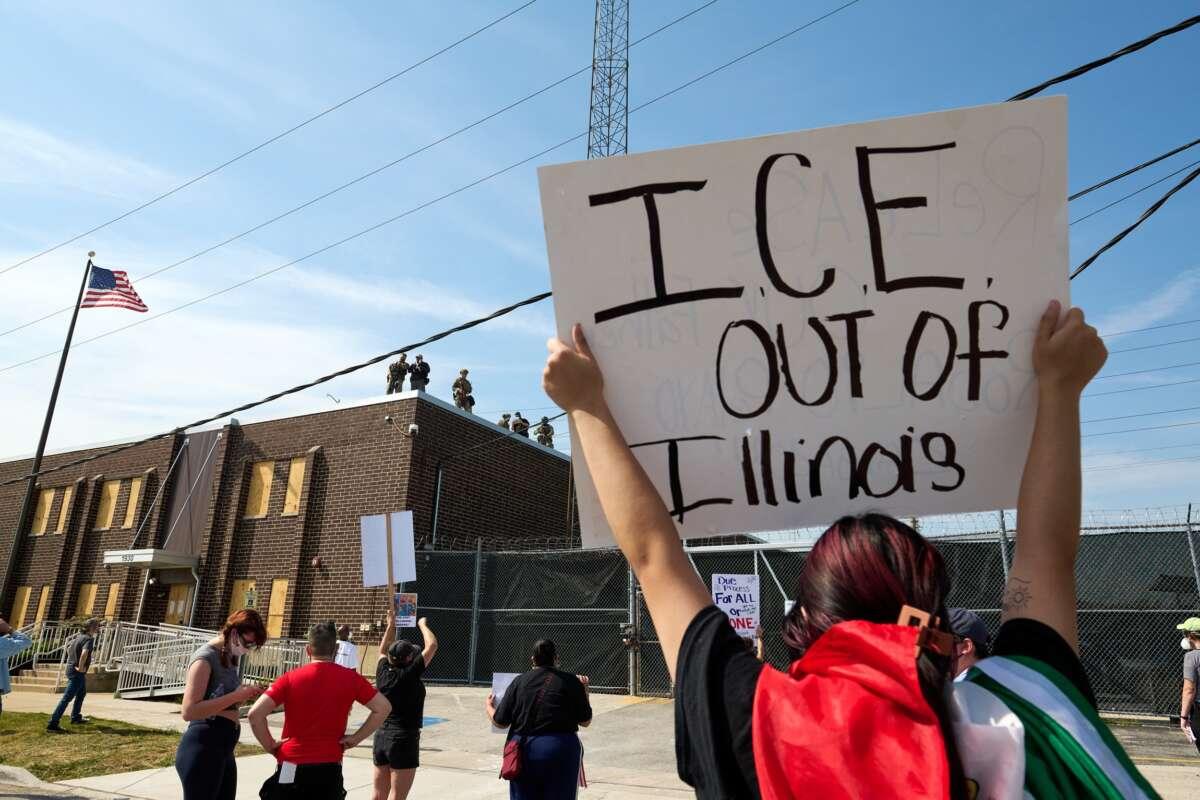
Illinois and Chicago Contest Federal National Guard Deployment Post-Portland Verdict
In the aftermath of a federal court decision that prohibited the deployment of federal agents in Portland, Illinois and the city of Chicago have launched a lawsuit to prevent the Trump administration’s plan to send National Guard troops into their jurisdiction. This legal action challenges the federal government’s attempt to insert military forces into local protests, arguing that such measures infringe on state sovereignty and risk exacerbating unrest rather than ensuring public safety. Local officials stress the primacy of community-based policing and express apprehension about the militarization of law enforcement and the absence of transparent oversight mechanisms for federal deployments.
The lawsuit underscores several critical concerns, including:
- Undermining Local Authority: Federal intervention bypasses established local governance and disrupts existing public safety frameworks.
- Threats to Civil Liberties: The potential for disproportionate use of force and targeting of peaceful demonstrators without due process.
- Lack of Accountability: Ambiguous command hierarchies and limited mechanisms to hold federal personnel responsible for misconduct.
| Dimension | Position of Chicago/Illinois | Federal Government’s Approach |
|---|---|---|
| Jurisdiction | Emphasis on local law enforcement leadership | Direct deployment of federal troops |
| Transparency | Calls for public oversight and disclosure | Limited operational transparency |
| Public Safety Strategy | Community-centered policing models | Militarized enforcement tactics |
Constitutional and Legal Foundations of the Lawsuit Against Military Involvement in Protests
The legal challenge filed by Illinois and Chicago is grounded in constitutional protections,particularly emphasizing the First Amendment rights safeguarding freedom of speech and peaceful assembly. The lawsuit contends that the introduction of military forces to manage local demonstrations intimidates citizens and suppresses lawful expression, thereby violating these fundamental rights. Additionally, the suit references the Posse Comitatus Act, which limits the use of federal military personnel in civilian law enforcement roles, citing the Portland case as a precedent where the court ruled that the Trump administration’s prior deployment exceeded legal authority.
Moreover,the plaintiffs highlight the Insurrection Act,which narrowly defines the circumstances under which federal troops may be deployed domestically-none of which apply in this situation. Legal analysts involved in the case argue that such a forceful federal presence risks undermining local governance and could inflame tensions within Illinois communities. The table below summarizes the principal legal arguments presented:
| Legal Principle | Description |
|---|---|
| First Amendment | Guarantees freedoms of speech and peaceful assembly |
| Posse Comitatus Act | Prohibits military involvement in civilian law enforcement |
| Insurrection Act | Restricts federal troop deployment to specific emergency conditions |
Implications for State Versus Federal Control Over National Guard Activations
The lawsuit raises pivotal questions about the division of authority between state governments and the federal administration, particularly regarding the interpretation of the Insurrection Act. Deploying National Guard units without the consent of state governors, especially after the Portland ruling, threatens to erode the conventional autonomy states hold over their military forces. This dispute exemplifies the broader conflict over federal overreach and state sovereignty in domestic security matters.
Key issues highlighted include:
- The potential diminishment of governors’ authority to approve National Guard deployments within their states.
- Expansion of federal power to mobilize troops under ambiguous national security justifications without local input.
- Unclear boundaries regarding the duration and scope of federal military presence in civilian areas, raising concerns about prolonged occupation.
| Authority Element | State Control | Federal Control |
|---|---|---|
| Approval Process | Requires governor’s consent | Possible presidential directive |
| Command Chain | State National Guard leadership | Federal military command structure |
| Deployment Purpose | State emergencies and defense | National security and insurrection response |
Strategies for Policymakers to Harmonize Security Needs with Civil Rights
Amid escalating debates over federal security interventions, it is crucial for policymakers to establish frameworks that prioritize transparency and accountability to protect citizens’ rights. Instituting independent oversight bodies tasked with monitoring the deployment and conduct of security forces-especially in urban environments-can help prevent abuses and build public trust. These bodies should have the authority to review deployment decisions and operational practices to ensure compliance with legal and ethical standards.
Achieving a balanced approach also requires the progress of clear operational protocols created in collaboration with community representatives, legal experts, and civil rights advocates. Recommended measures include:
- Strict regulations limiting the use of force during protests and crowd management
- Mandatory use of body-worn cameras and transparent public reporting of incidents
- Thorough training focused on de-escalation techniques and constitutional rights awareness
- Accessible and protected channels for citizens to report grievances without fear of retaliation
| Policy Focus | Recommended Action | Anticipated Benefit |
|---|---|---|
| Transparency | Public disclosure of deployment plans and activities | Increased community confidence and trust |
| Oversight | Establishment of independent review boards | Reduction in misconduct and abuse |
| Training | Emphasis on de-escalation and rights education | Lower incidence of forceful confrontations |
| Community Engagement | Regular forums for dialogue between officials and residents | Improved relations and mutual understanding |
Conclusion
The ongoing legal dispute initiated by Chicago and Illinois against the federal government’s plan to deploy National Guard troops highlights the persistent friction between local and federal authorities over public safety and civil rights. The court’s forthcoming decision will be pivotal in defining the limits of federal intervention and the preservation of state autonomy in managing law enforcement responses.This case, following the precedent set in Portland, is poised to influence the future dynamics of federal-state relations in domestic security and civil liberties protection.