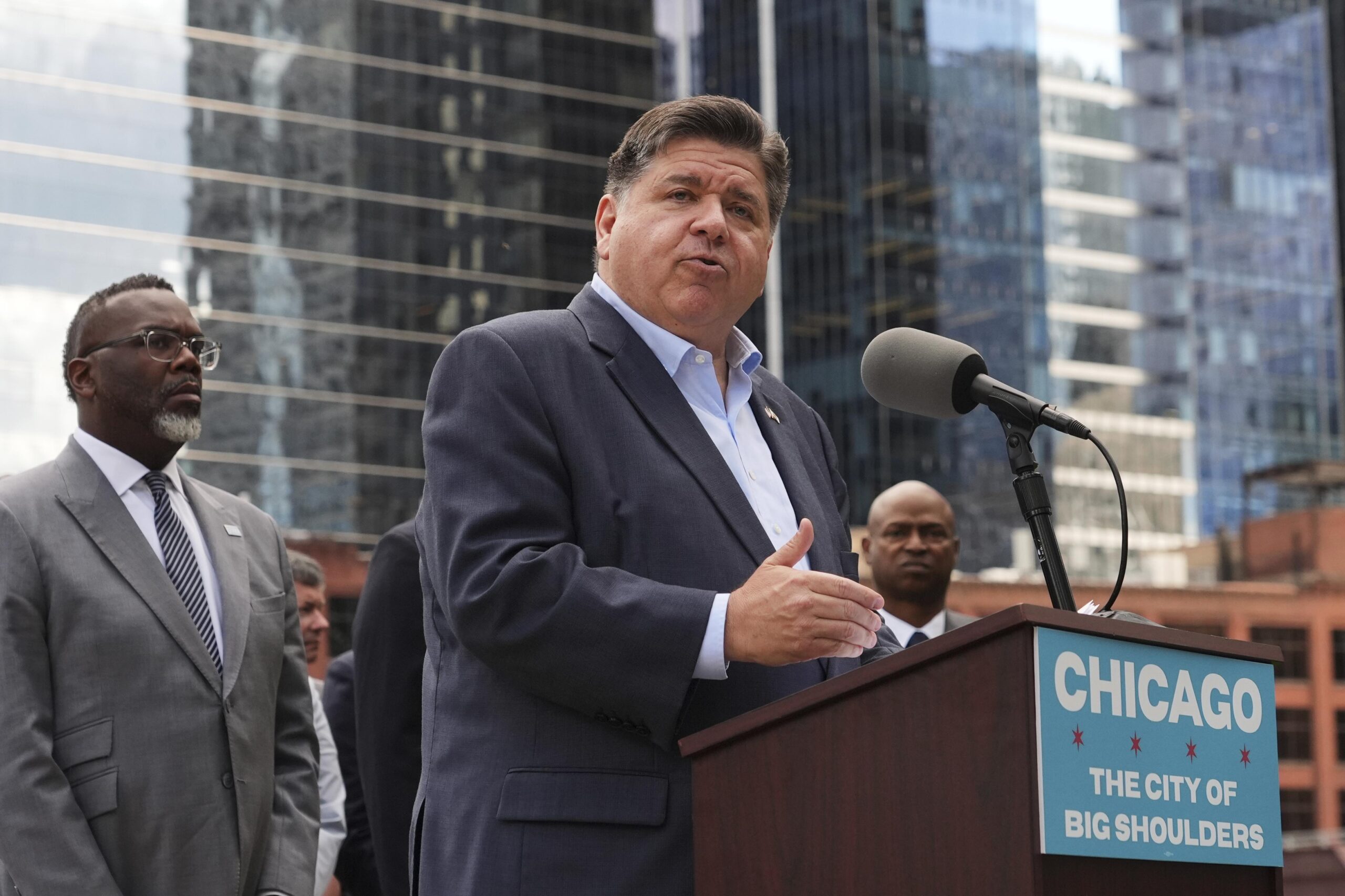
Governor Pritzker Rejects Federal Troop Deployment Amid Chicago Crime Debate
Governor Pritzker Challenges Federal Military Intervention as Counterproductive
Illinois Governor J.B.Pritzker has strongly opposed former President Donald Trump’s recent call to send federal troops to Chicago to combat rising crime. Pritzker criticized the proposal as not only ineffective but also potentially harmful, warning that a military presence could deepen divisions and erode trust between communities and local law enforcement. He stressed that lasting crime reduction requires long-term investment in social services and community policing rather than a militarized approach that risks escalating tensions.
- Urban Policing Complexity: Federal troops lack the specialized training and local knowledge essential for effective city law enforcement.
- Community Relations: Military deployment may increase fear and mistrust among residents, undermining cooperation.
- Alternative Solutions: Emphasis on expanding economic opportunities, healthcare access, and youth engagement programs.
| Strategy | Governor Pritzker’s Perspective | Likely Impact |
|---|---|---|
| Federal Troop Deployment | Detrimental and divisive | Worsens community fragmentation |
| Funding for Community Policing | Essential and effective | Enhances trust and lowers crime |
| Expansion of Social Programs | Crucial for lasting change | Tackles root causes of violence |
Examining Chicago’s Crime Patterns and the Consequences of Militarized Policing
Over the last decade,Chicago’s crime statistics have fluctuated,with violent crimes such as homicides and aggravated assaults experiencing both declines and spikes.Experts link these trends to a complex interplay of factors including economic hardship, unemployment, and systemic social inequities. While the city’s homicide rate remains a pressing issue, recent improvements in certain neighborhoods highlight the importance of targeted, community-driven solutions rather than broad militarized tactics.
The use of militarized policing in Chicago has ignited notable controversy. Critics argue that deploying heavily armed units often intensifies conflicts, damages police-community relations, and risks civil liberties violations. Key concerns include:
- Increased Violence: Militarized forces may provoke confrontations instead of deterring crime.
- Community Distrust: Aggressive tactics alienate residents, hindering cooperation vital for public safety.
- Misallocation of Resources: Funding militarization diverts money from social initiatives that address underlying causes of crime.
| Indicator | 2015 | 2023 |
|---|---|---|
| Homicide Rate (per 100,000 residents) | 18.4 | 21.6 |
| Armed Patrol Deployments | 1,200 | 4,500 |
| Community Complaints Against Police | 450 | 1,240 |
Community Advocates Urge Investment in Social Services Over Military Solutions
Grassroots leaders and local activists have voiced strong resistance to the idea of federal troops patrolling Chicago streets, arguing that such measures would only heighten tensions without addressing the fundamental causes of violence. Rather,they call for increased funding toward social programs that promote stability and opportunity in neighborhoods most affected by crime. These programs focus on education, mental health support, job creation, and affordable housing as proven methods to reduce violence sustainably.
Advocates emphasize reallocating resources to complete social services that empower residents rather than relying on militarized enforcement. Their priorities include:
- Expansion of mentorship and after-school programs for youth
- Support for community-led violence prevention initiatives
- Improved access to mental health care and counseling
- Economic growth targeting underserved communities
Below is a comparison of the financial implications and projected benefits of military deployment versus social program investment:
| Initiative | Annual Expenditure | Expected Outcome |
|---|---|---|
| Federal Troop Deployment | $75 million | Temporary deterrence; increased community unrest |
| Social Program Funding | $50 million | Long-term crime reduction; enhanced community well-being |
Experts Advocate for Collaborative, Holistic Approaches to Urban Safety
Policy specialists emphasize that resolving urban violence and systemic justice challenges requires a comprehensive, cooperative approach. Sustainable progress depends on partnerships among local governments, law enforcement agencies, community organizations, and residents. Instead of federal troop deployment, experts recommend investing in community-based initiatives that build trust, expand economic opportunities, and improve social services as the most effective crime reduction strategies.
- Community Policing: Strengthening relationships between police and neighborhoods to foster accountability and cooperation.
- Justice System Reform: Promoting alternatives to incarceration focused on rehabilitation and reintegration.
- Economic Empowerment: Supporting job creation and small businesses to address poverty-related crime drivers.
- Mental Health Expansion: Increasing access to counseling and crisis intervention to tackle violence at its roots.
| Strategy | Anticipated Results |
|---|---|
| Integrated Social Services | Reduced recidivism; safer communities |
| Police-Community Engagement | Greater trust; decreased tensions |
| Youth Outreach Programs | Lower gang involvement rates |
Experts warn that militarized interventions risk damaging community trust and fail to address the systemic inequalities that fuel urban unrest. They advocate for a balanced approach combining prevention and intervention, tailored to the unique needs of cities like Chicago. Such collaborative frameworks are essential for achieving lasting safety, justice, and equity.
Looking Ahead: The Future of Chicago’s Public Safety Strategy
The intensifying debate over federal involvement in Chicago’s crime crisis highlights the stark divide between Governor J.B. Pritzker and former President Trump’s visions for public safety. Pritzker’s resolute opposition to military deployment underscores broader national conversations about the appropriate role of federal forces in local law enforcement, civil liberties, and community trust. As this contentious dialog unfolds, Chicago remains a focal point in the evolving dynamics of federal-state relations and urban crime policy, with significant implications for governance and justice reform in the coming months.