Understanding Crime Dynamics in Chicago and Illinois: A Data-Driven Perspective
Comparing Chicago’s Violent Crime Rates with Illinois Statewide Figures
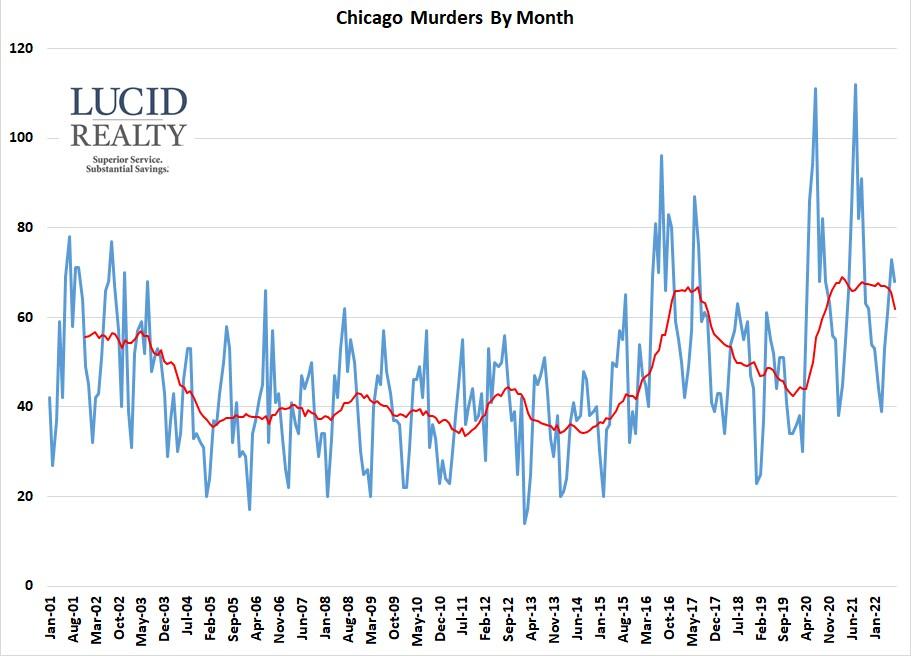
Chicago has long been recognized for its disproportionately high violent crime rates, particularly homicides, when contrasted with the rest of Illinois. Despite periodic fluctuations in annual murder counts, the city consistently represents a significant share of the state’s violent crime incidents. This disparity underscores the contrast between Chicago’s densely populated urban environment and the more suburban or rural regions of Illinois, where crime rates tend to be substantially lower. Factors such as concentrated poverty, entrenched gang activity, and economic inequality contribute to Chicago’s distinct crime landscape.
Statewide crime statistics reveal a different distribution pattern: while property crimes and less severe offenses are more evenly spread across Illinois, homicides remain heavily concentrated in Chicago. Recent data illustrates that even though Chicago comprises roughly 30% of Illinois’ population, it accounts for nearly 75% of the state’s murders, highlighting the city’s outsized impact on violent crime statistics.
| Region | Percentage of State Population | Percentage of Statewide Murders |
|---|---|---|
| Chicago | 30% | 75% |
| Rest of Illinois | 70% | 25% |
- Urban density: Crowded living conditions often correlate with higher violent crime rates.
- Socioeconomic challenges: Persistent poverty and unemployment exacerbate crime in Chicago.
- Statewide crime patterns: While Chicago dominates violent crime figures, other areas report rising property crime rates.
Evaluating the Validity of Murder Rate Assertions in Illinois
Discussions about Illinois’ murder rates, especially those focusing on Chicago, frequently become contentious, fueled by dramatic media coverage and political narratives. However, a detailed review of official crime records from the Illinois State Police and Chicago Police Department reveals a more complex reality. The statewide murder rate has experienced both increases and decreases over the past decade, influenced by shifting demographics, economic conditions, and law enforcement tactics. Importantly, crime rates vary widely within Chicago itself, with some neighborhoods experiencing significantly higher violence than others.
Critical insights include:
- The statewide murder rate has not followed a simple linear trend but has fluctuated over recent years.
- Chicago accounts for the majority of murders in Illinois, yet crime is not uniformly distributed across the city.
- Additional metrics such as arrest rates, case clearance percentages, and socioeconomic context are essential for a full understanding.
| Year | Total Murders in Illinois | Murders in Chicago | Case Clearance Rate (%) |
|---|---|---|---|
| 2018 | 561 | 561 | 44% |
| 2019 | 517 | 492 | 47% |
| 2020 | 770 | 770 | 40% |
| 2021 | 775 | 698 | 38% |
Factors Influencing Crime Variations in Urban Versus Rural Settings
Crime patterns in metropolitan areas like Chicago differ markedly from those in rural Illinois, shaped by a multifaceted mix of social, economic, and infrastructural factors. Urban centers face challenges such as high population density, gang-related violence, and resource constraints for law enforcement, all contributing to volatile crime rates. In contrast,rural communities often experience steadier but sometimes underreported crime trends,influenced by geographic isolation,limited police presence,and economic hardships tied to agriculture and manufacturing sectors.
Key elements affecting crime across both environments include:
- Employment opportunities: Scarcity of jobs often correlates with increased criminal activity due to economic strain.
- Community cohesion: Strong neighborhood ties and trust in police can deter crime.
- Access to education and social services: These resources help reduce risk factors linked to criminal behavior.
- Geographic factors: Rural isolation can delay emergency response and affect crime reporting.
| Factor | Impact in Urban Areas | Impact in Rural Areas |
|---|---|---|
| Population Density | High density fosters anonymity and higher crime rates | Low density encourages close-knit communities |
| Law Enforcement Resources | Generally well-equipped but stretched thin | Limited personnel and slower response times |
| Economic Conditions | Marked inequality and concentrated poverty | Economic stagnation with fewer alternatives |
| Social Infrastructure | Varied availability of community programs | Less developed social services |
Strategies for Enhancing Public Safety and Correcting Misconceptions
Addressing widespread misunderstandings about crime in Chicago and Illinois requires a commitment to transparent data sharing and public education. Authorities should prioritize the advancement of accessible, regularly updated crime databases that contextualize statistics with demographic and socioeconomic information. Community outreach initiatives,including workshops and informational campaigns,can empower residents with accurate knowledge,helping to dispel fear driven by misinformation. Collaborations with media outlets are also vital to promote responsible journalism that avoids sensationalizing crime data.
Effective public safety policies must balance enforcement with social support, targeting the root causes of violence. The following table outlines actionable recommendations to improve safety and foster community trust:
| Policy Area | Recommended Measures |
|---|---|
| Data Transparency | Launch interactive crime maps and dashboards updated monthly |
| Community Involvement | Host regular forums and town halls to facilitate police-resident dialog |
| Media Partnerships | Establish guidelines to reduce sensationalism in crime reporting |
| Social Services | Increase funding for youth mentorship and job training programs |
| Law Enforcement Training | Implement targeted outreach and de-escalation training for officers |
Final Thoughts
While crime remains a pressing issue for Chicago and Illinois at large, a detailed examination of the data reveals complexities often overlooked in public discourse. Fact-based analysis,such as that conducted by PolitiFact,highlights the importance of scrutinizing statistics carefully to separate perception from reality. Transparent reporting and informed policy-making are essential to effectively address the multifaceted challenges of crime and enhance safety for all residents.