Revitalization of Chicago’s Loop Retail Market: A New Era of Growth and Opportunity
Declining Retail Vacancies Reflect Strengthened Investor Optimism in the Loop
The retail landscape in Chicago’s Loop is witnessing a notable resurgence, with vacancy rates dropping for the second year running. This positive advancement underscores a renewed confidence among investors and retailers alike, signaling a revitalized commercial environment in the city’s core. Key drivers behind this upswing include the arrival of fresh retail concepts, targeted initiatives to boost pedestrian activity, and comprehensive urban development projects designed to enhance the downtown experience.
Industry experts point to several compelling metrics that illustrate this upward trajectory:
- Vacancy Rate Reduction: A notable decline from 12% in 2022 to 9% in 2023.
- Longer Lease Commitments: Retail tenants are increasingly opting for extended lease durations, reflecting confidence in the district’s sustained appeal.
- Moderate Rental Rate Increases: Landlords are adjusting rents upward in response to heightened demand, balancing affordability with profitability.
| Year | Vacancy Rate | Average Lease Duration | Rental Rate ($/sq ft) |
|---|---|---|---|
| 2022 | 12% | 3 years | 35 |
| 2023 | 9% | 4 years | 38 |
Neighborhoods Catalyzing Retail Demand in the Loop
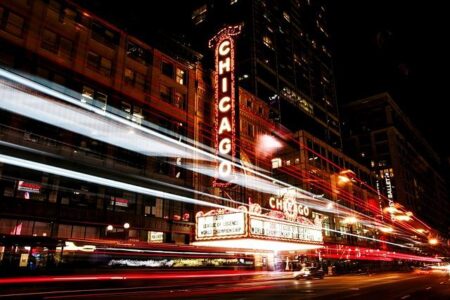
Several dynamic neighborhoods within the Loop are spearheading the surge in retail interest, each offering unique attractions that draw both consumers and businesses. River North remains a magnet for eclectic boutiques, upscale brands, and immersive retail experiences, buoyed by its vibrant nightlife and thriving arts scene. Meanwhile, the Theater District benefits from a steady influx of theatergoers and tourists, sustaining demand for themed retail outlets and dining establishments year-round.
The West Loop is rapidly evolving into a residential and lifestyle hub, attracting young professionals and middle-income families. This demographic shift has spurred growth in health-focused retailers, specialty food markets, and casual dining venues. The neighborhood’s walkability, excellent public transit connections, and lifestyle-oriented amenities make it an attractive location for retailers aiming for long-term engagement.
- River North: Arts-driven and nightlife-centric retail
- Theater District: Tourism and entertainment-related businesses
- West Loop: Residential expansion and lifestyle retail
| Neighborhood | Primary Demand Driver | Common Retail Types |
|---|---|---|
| River North | Arts and Nightlife | Boutiques, Art Galleries, Luxury Retailers |
| Theater District | Tourism and Live Performances | Themed Shops, Restaurants |
| West Loop | Residential Growth | Wellness Centers, Eateries, Specialty Grocers |
Economic Drivers Fueling the Decline in Retail Vacancies
The ongoing reduction in retail vacancies throughout the Loop is underpinned by strong economic fundamentals and deliberate urban planning efforts. A robust labor market,characterized by steady employment gains and rising wages in sectors such as technology and professional services,has bolstered consumer spending power. Additionally,the relocation of numerous startups and corporate offices to downtown Chicago has expanded the daytime population,creating a fertile environment for brick-and-mortar retailers targeting working professionals.
Public-private collaborations and targeted tax incentives have played a pivotal role in rejuvenating underused commercial properties, making leasing more attractive for both emerging businesses and established chains. Retailers are also adapting to shifting consumer behaviors by integrating digital and physical shopping experiences, enhancing customer engagement and driving foot traffic. The following table highlights key economic indicators supporting this positive momentum:
| Economic Indicator | 2023 Figure | Change Since 2022 |
|---|---|---|
| Unemployment Rate | 3.8% | Down 0.4% |
| Average Hourly Wage | $32.50 | Up 3.2% |
| Retail Sales Growth | 5.1% | Up 1.0% |
| New Business Permits Issued | 1,250 | Up 7.4% |
- Employment expansion in key industries enhances local purchasing power.
- Urban renewal projects improve retail spaces and reduce leasing barriers.
- Consumer trends favor experiential retail and mixed-use developments.
Innovative Landlord Approaches to Maintain High Occupancy Rates
To thrive in the competitive Loop retail market,property owners are embracing flexible and tenant-centric strategies. Offering adaptable lease agreements, including short-term and customizable options, allows landlords to attract a broad spectrum of tenants-from emerging startups to established retailers. Enhancing tenant amenities, such as providing high-speed internet, advanced security features, and communal workspaces, significantly elevates tenant satisfaction and retention.
Leveraging technology through virtual property tours and streamlined online leasing platforms expands reach and simplifies the rental process. Additionally,incorporating sustainable building certifications appeals to environmentally conscious businesses,while partnerships with local enterprises foster community synergy and increase foot traffic.
Effective landlord strategies include:
- Competitive and scalable rental pricing
- Green building certifications to attract eco-amiable tenants
- Collaborations with neighborhood businesses to boost visibility
- Regular updates to property design reflecting contemporary trends
| Strategy | Advantages | Effect on Occupancy |
|---|---|---|
| Flexible Leasing | Appeals to a diverse tenant base | +15% tenant retention |
| Enhanced Amenities | Boosts tenant satisfaction and loyalty | +20% lease renewals |
| Green Certifications | Attracts sustainability-focused brands | +10% increase in tenant inquiries |
Summary: A Shining Outlook for Loop Retail Real Estate
The Loop’s retail vacancy rate has steadily declined for two consecutive years, signaling a robust and recovering market fueled by investor confidence and evolving consumer demand. As neighborhoods like River North, the Theater District, and West Loop continue to flourish, and economic conditions remain favorable, the district is poised for sustained growth. Stakeholders will be watching closely to see how these trends influence leasing patterns and economic revitalization in the coming months.For the latest insights and detailed analysis on Chicago’s commercial real estate market, continue following updates from chicagobusiness.com.