Addressing Chicago’s Unequal Urban Growth: Pathways Toward Inclusive Development
Concentration of Development in Chicago’s Wealthier Districts
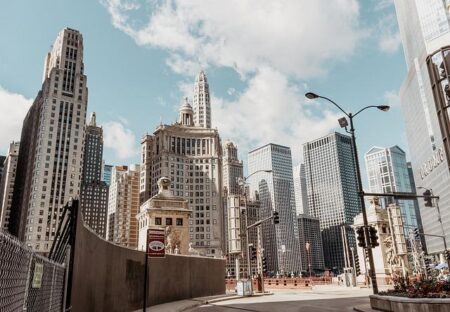
Despite ongoing efforts by municipal authorities to broaden investment horizons, Chicago’s urban expansion remains predominantly centered in affluent neighborhoods. Areas like Lincoln Park, River North, and the Gold Coast continue to attract the majority of new residential, commercial, and transit projects. This trend intensifies socio-economic divides by limiting access to quality housing, employment opportunities, and essential amenities for residents in less prosperous parts of the city.
Several key dynamics perpetuate this uneven development:
- Profit-driven investments: Developers prioritize neighborhoods with established high property values to maximize returns.
- Superior infrastructure: Wealthier areas benefit from enhanced transportation networks and public services, making them more attractive for new projects.
- Funding allocation biases: Both public and private financial resources tend to favor economically vibrant districts,sidelining under-resourced communities.
| Neighborhood | Recent Development Types | Property Value Growth (%) |
|---|---|---|
| Lincoln Park | Upscale Condominiums, Retail Expansion | 13% |
| South Shore | Limited Mixed-Use Projects, Minor Renovations | 3% |
| River North | High-Rise Offices, Apartment Complexes | 16% |
| Pilsen | Art Studios, Small-Scale Housing | 5% |
Consequences of Disproportionate Growth on Social and Economic Equity
The uneven pace of development in Chicago extends beyond economics, deeply affecting the city’s social cohesion. While affluent neighborhoods experience job creation, infrastructure upgrades, and rising incomes, many marginalized communities face stagnation or decline. This disparity fuels widening gaps in wealth, education, and access to vital services, undermining inclusive prosperity and fostering social tensions rooted in systemic inequities.
Addressing these challenges requires tackling multiple interconnected issues:
- Skewed capital flows: Investment continues to favor thriving districts, leaving economically disadvantaged neighborhoods underfunded.
- Housing affordability crises: Escalating living costs risk displacing long-term, lower-income residents from revitalized areas.
- Mismatch in employment opportunities: New jobs often demand skills not readily available in local labor pools, limiting upward mobility.
| Neighborhood | Median Household Income ($) | Number of Development Projects | Unemployment Rate (%) |
|---|---|---|---|
| River North | 87,000 | 27 | 3.0 |
| Englewood | 25,500 | 4 | 16.2 |
| Logan Square | 53,500 | 14 | 7.2 |
| South Shore | 29,000 | 6 | 11.0 |
Empowering Communities: Grassroots Efforts in Underinvested Neighborhoods
In response to the uneven development landscape, local organizations in Chicago’s underserved areas are championing community-driven initiatives that foster resilience and equitable growth. By harnessing intimate knowledge of neighborhood needs, these groups are implementing projects that directly improve living conditions and economic prospects.Programs focusing on affordable housing, urban farming, and youth empowerment are gaining momentum as effective alternatives to traditional development models.
Notable approaches include:
- Inclusive collaborations among residents, nonprofits, and municipal agencies to ensure participatory planning.
- Locally owned enterprises that circulate profits within the community, strengthening economic stability.
- Targeted education and training initiatives designed to bridge possibility gaps for young people.
| Initiative | Main Focus | Neighborhood Served |
|---|---|---|
| Urban Harvest Collective | Community Gardening & Food Access | South Side |
| Future Leaders Network | Youth Development & Scholarships | West Garfield Park |
| Renew Englewood Project | Affordable Housing Construction | Englewood |
Strategic Policy and Investment Approaches to Foster Equitable Urban Growth
To counteract Chicago’s lopsided development, a multifaceted strategy combining policy reform with innovative investment is essential. City planners are increasingly promoting zoning reforms that encourage mixed-use developments to break down economic segregation. Incentives for affordable housing and support for small business startups are critical components aimed at redirecting growth toward neglected neighborhoods. Central to these efforts is meaningful community engagement, ensuring that residents have a voice in shaping their environment.
Investment must be strategically targeted to enhance both physical infrastructure and human capital. Public-private partnerships (PPPs) have emerged as effective mechanisms to channel resources into transit improvements, digital access, and entrepreneurial ecosystems in underserved areas. The table below highlights key investment priorities designed to balance development across Chicago:
| Investment Area | Focus Neighborhoods | Anticipated Outcomes |
|---|---|---|
| Affordable Housing Funding | South and West Sides | Mitigate displacement, boost homeownership rates |
| Transit System Enhancements | Cunningham Corridor, Pullman | Increase mobility, stimulate local economies |
| Technology Incubators | Englewood, Austin | Generate employment, nurture startups |
- Focused resource distribution maximizes impact in priority neighborhoods.
- Data-informed decision-making tailors projects to specific community needs.
- Inclusive stakeholder engagement fosters transparency and long-term commitment.
Looking Ahead: Toward a More Equitable Chicago
As Chicago confronts the challenges posed by uneven urban development,the imperative to implement inclusive growth strategies becomes ever more urgent.Addressing entrenched disparities requires a holistic understanding of the economic, social, and infrastructural factors that have shaped the city’s evolution.By embracing collaborative planning, equitable investment, and community empowerment, Chicago has the opportunity to redefine its urban landscape-creating a future where prosperity is shared across all neighborhoods.While the journey toward balanced development is complex, it holds the promise of a more just and sustainable city for generations to come.