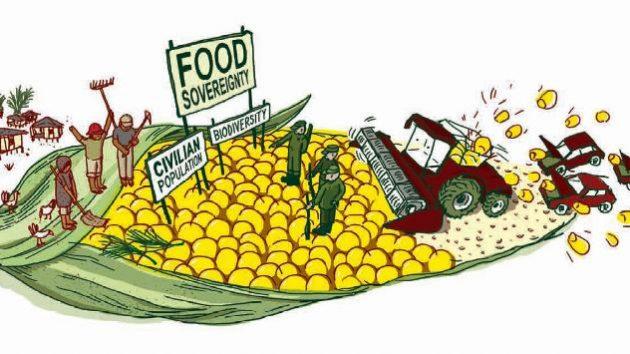
Pathways to Achieving Food Sovereignty: Strengthening Local Food Systems for a Sustainable Future
As concerns about food security and environmental sustainability intensify, experts emphasize the necessity of a thorough strategy to realize genuine food sovereignty. A recent analysis in Crain’s Chicago Business outlines six fundamental pillars that can revolutionize how communities cultivate, distribute, and consume food. This outlook highlights the critical role of local investment and thoughtful policy-making in empowering regional food networks, minimizing reliance on global supply chains, and enhancing economic resilience. With food-related challenges mounting across the nation, adopting these principles is vital to securing a stable and just food future.
Revitalizing Local Agriculture: The Backbone of Community Food Resilience
Strengthening community food systems begins with reinvesting in local agriculture. Emphasizing support for smallholder farmers, urban farming initiatives, and cooperative models is crucial to guarantee equitable access to fresh, wholesome foods. These grassroots efforts not only supply nutritious produce but also promote economic empowerment and preserve cultural heritage. Strategic investments in infrastructure-such as accessible marketplaces, cold storage facilities, and efficient transportation-can considerably reduce food loss, boost operational efficiency, and shield local economies from global supply chain shocks.
Essential focus areas include:
- Encouraging cultivation of diverse crops tailored to regional climates
- Providing education and training on sustainable agricultural practices
- Establishing community seed banks to safeguard genetic diversity
- Implementing regenerative soil management techniques to enhance fertility
| Focus Area | Investment Target | Anticipated Benefit |
|---|---|---|
| Farmers’ Cooperatives | Capacity advancement and shared resources | Improved negotiation power and income stability |
| Urban Farming | Access to land and technical assistance | Greater availability of fresh produce in cities |
| Infrastructure | Storage and distribution enhancements | Lower spoilage rates and expanded market access |
Developing Sustainable Distribution Networks for Food Equity
Reimagining food distribution systems to prioritize sustainability and accessibility is key to building resilient food networks. Investing in advanced cold storage solutions and optimized transportation routes helps maintain the freshness of perishable items while drastically cutting food waste. Complementing these physical assets with cutting-edge digital tools-such as real-time inventory management and predictive demand analytics-enables producers and distributors to adapt swiftly to community needs and minimize surplus.Furthermore, fostering decentralized distribution hubs connects small-scale and urban farmers directly with consumers, shortening supply chains and enhancing local food sovereignty.
Priority infrastructure investments include:
- Environmentally controlled storage facilities near urban markets
- Deployment of electric and hybrid vehicles to reduce carbon emissions
- Community-based packing and processing centers to add value locally
- Integrated data-sharing platforms for transparent supply chain oversight
Integrating these elements not only streamlines operations but also creates inclusive economic opportunities, particularly benefiting historically marginalized producers. The fusion of physical and digital infrastructure forms the foundation of a food system where sovereignty is attainable and sustainable.
Policy Innovations to Expand Access to Nutritious Foods
Transformative policy reforms are essential to dismantle barriers that limit access to fresh, nutritious food.Measures such as financial support for local farmers, incentives for urban agriculture, and the broadening of food assistance programs can convert food deserts into thriving food hubs.Revising zoning regulations to facilitate farmers’ markets and community gardens in underserved neighborhoods further enhances both availability and cultural relevance of food options.
Effective policy strategies encompass:
- Grants and technical support for small-scale producers
- Improved transportation infrastructure linking rural farms with urban consumers
- Nutrition education initiatives integrated into schools and community centers
- Tax breaks for retailers offering healthy food choices in low-income areas
| Policy Initiative | Projected Impact |
|---|---|
| Local Farmer Subsidies | Enhanced availability of fresh produce |
| Urban Agriculture Incentives | Increased community participation and food access |
| Expanded Food Assistance | Reduction in food insecurity rates |
| Zoning Reforms | Creation of new market opportunities |
Strengthening Public-Private Partnerships for Food System Innovation
Robust collaboration between governmental bodies and private sector entities is vital for constructing a resilient and self-reliant food system. Public institutions contribute regulatory oversight and community engagement, while private companies bring innovation, capital investment, and operational expertise. This partnership fosters clarity, facilitates the exchange of best practices, and accelerates the development of solutions addressing food insecurity, supply chain fragility, and environmental challenges.
Key collaborative approaches include:
- Joint research projects focused on region-specific crops and sustainable farming methods
- Shared funding mechanisms for infrastructure upgrades such as cold storage and logistics centers
- Inclusive policy dialogues that incorporate diverse stakeholder perspectives
- Data-sharing platforms to monitor production, pricing, and distribution gaps effectively
| Stakeholder | Core Strength | Potential Contribution |
|---|---|---|
| Public Sector | Regulatory frameworks and funding access | Policy enforcement and incentive programs |
| Private Sector | Innovation and capital resources | Technological advancements and supply chain management |
Conclusion: Charting a Course Toward Food Sovereignty
Realizing authentic food sovereignty demands deliberate investment in foundational elements that reinforce local food systems and empower communities. As emphasized in Crain’s Chicago Business, dedicating resources to these six pivotal areas paves the way for enhanced self-sufficiency and resilience amid economic and environmental uncertainties. Policymakers, investors, and community leaders alike must collaborate to ensure that the future of food-both in Chicago and beyond-is sustainable, equitable, and secure.