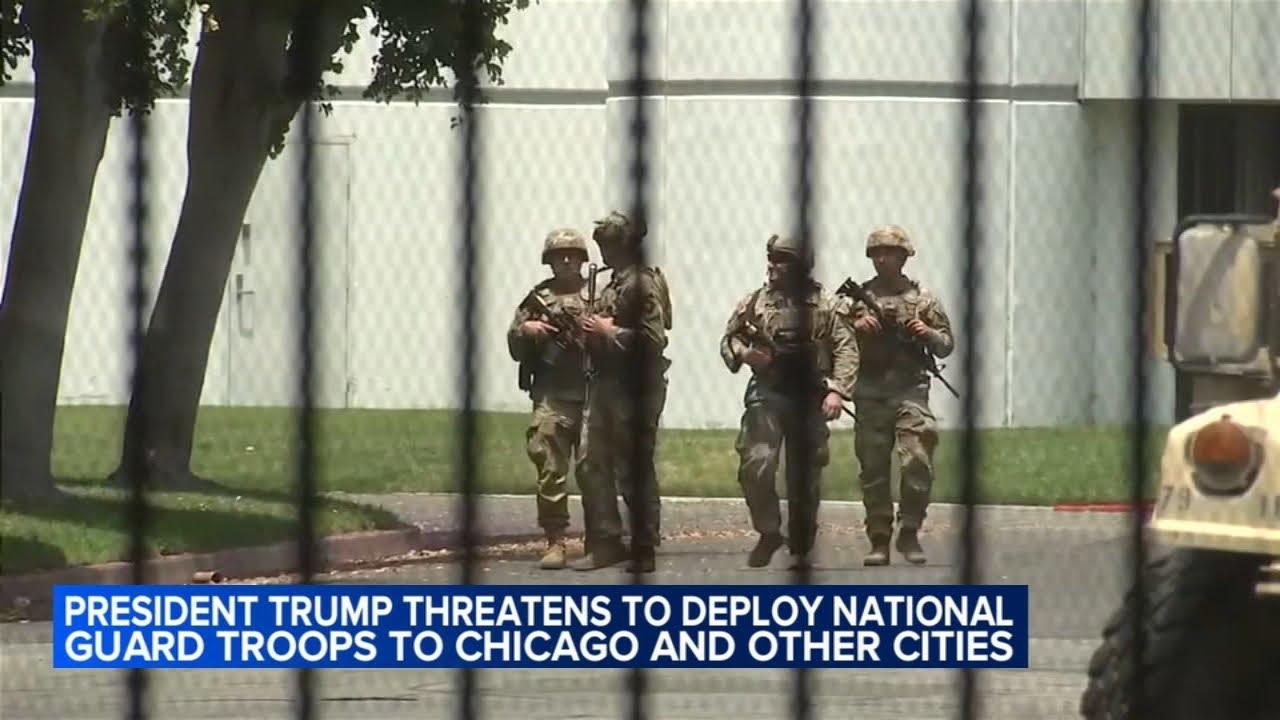
Federal Troop Deployment in Chicago: A Controversial Approach to Urban Crime
Political Tensions Rise Over Federal Military Presence in Chicago
The proclamation to send federal troops into Chicago has ignited a heated political dispute, particularly drawing sharp criticism from Illinois Governor J.B. Pritzker. Labeling the initiative as an excessive use of executive power, Pritzker praised the efforts of local law enforcement while warning that introducing military forces could worsen the city’s already complex crime dynamics. He advocates for strengthening partnerships between state agencies and community organizations as the most effective path to enhancing public safety.
Opponents of the federal intervention raise several critical issues:
- Threats to civil liberties: The deployment of active-duty military personnel in civilian neighborhoods risks infringing on constitutional rights.
- Disruption of local authority: Federal involvement may bypass the jurisdiction and decision-making power of elected city and state officials.
- Potential for increased violence: A militarized presence could provoke confrontations, escalating tensions between residents and law enforcement.
| Dimension | State Outlook | Federal Proposal |
|---|---|---|
| Governance | Emphasizes local control | Advocates federal intervention |
| Crime Reduction Strategy | Focus on community policing | Relies on military enforcement |
| Risks | Minimal reported risks | Concerns over civil rights and social unrest |
Governor Pritzker Decries Federal Action as Overstepping Boundaries
Illinois Governor J.B. Pritzker has openly criticized the federal government’s decision to station troops in Chicago, calling it a misuse of presidential authority that undermines local governance. In a public statement,he stressed that this approach threatens to destabilize ongoing community-based crime reduction programs and could inflame tensions rather than resolve them.
The governor’s main objections include:
- Interference with local policing: Federal troops may disrupt established police procedures and damage community trust.
- Risk of civil rights abuses: The presence of military personnel raises concerns about excessive force and accountability gaps.
- Neglect of grassroots initiatives: Federal intervention overlooks the value of solutions crafted by local leaders and residents.
| Group | Stance | Anticipated Result |
|---|---|---|
| Illinois Governor | Opposes deployment | Reinstate local control |
| Federal Governance | Supports deployment | Reduce crime rates |
| Chicago Police Department | Mixed feelings | Concerns about coordination |
| Community Advocates | Critical | Safeguard civil rights |
Security Analysts Warn of Limited Benefits and Heightened Risks
A broad spectrum of security experts have expressed skepticism regarding the effectiveness of deploying federal troops in urban crime hotspots like Chicago. They caution that military involvement frequently enough fails to tackle the underlying socioeconomic factors driving violence and may rather exacerbate community-law enforcement tensions.The unfamiliarity of federal forces with local dynamics could unintentionally intensify conflicts, undermining trust essential for long-term crime reduction.
Key concerns raised by analysts include:
- Threats to civil liberties: The risk of excessive force and constitutional rights violations increases with militarized policing.
- Damage to community relations: Heavy-handed tactics may deepen mistrust, especially in historically marginalized neighborhoods.
- Short-lived impact: Military strategies frequently enough focus on immediate suppression rather than sustainable violence prevention.
| Risk Factor | Potential Consequence |
|---|---|
| Escalation of Hostilities | Increased confrontations between troops and civilians |
| Legal Repercussions | Lawsuits related to civil rights violations |
| Resource Misallocation | Diverting funds from social programs to military operations |
The prevailing expert opinion favors complete strategies that integrate community engagement, economic development, and law enforcement reforms over militarized responses. As Chicago confronts persistent crime challenges, the debate underscores the need to balance effective public safety measures with respect for democratic governance and civil liberties.
Advocating for Community-Centered Policing and Holistic Solutions
In response to rising violence, many community leaders and policy experts advocate for a paradigm shift away from militarized tactics toward inclusive, community-led crime prevention. Building trust between residents and law enforcement is viewed as basic, with the understanding that those living in affected neighborhoods possess critical insights into effective solutions. This model promotes transparency, accountability, and partnerships that empower local initiatives rather than imposing top-down enforcement.
Core components of community-focused policing include:
- Recruiting and training officers who reflect and understand the cultural fabric of their communities
- Hosting regular town halls and forums to encourage dialog and collaborative problem-solving
- Investing in social services that address root causes such as poverty, education gaps, and mental health challenges
- Supporting neighborhood-led crime prevention programs that foster local ownership and resilience
| Strategy | Primary Focus | Desired Outcome |
|---|---|---|
| Community Policing | Building partnerships and trust | Lower crime rates and stronger community bonds |
| Military Deployment | Enforcement and control | Immediate suppression of violence |
| Social Investment | Prevention and support services | Long-term community stability |
Conclusion: Navigating the Complexities of Federal-State Crime Policy
The controversy surrounding the federal troop deployment in Chicago underscores profound disagreements between state and federal leaders about the best methods to combat urban crime. Governor J.B. Pritzker’s vehement opposition highlights concerns over executive overreach and the importance of preserving local governance. As legal and political debates unfold, the outcome will have far-reaching consequences for how federal and state governments collaborate on public safety, particularly in major metropolitan areas facing persistent violence. The evolving situation calls for careful consideration of strategies that uphold democratic values while effectively addressing the multifaceted nature of urban crime.