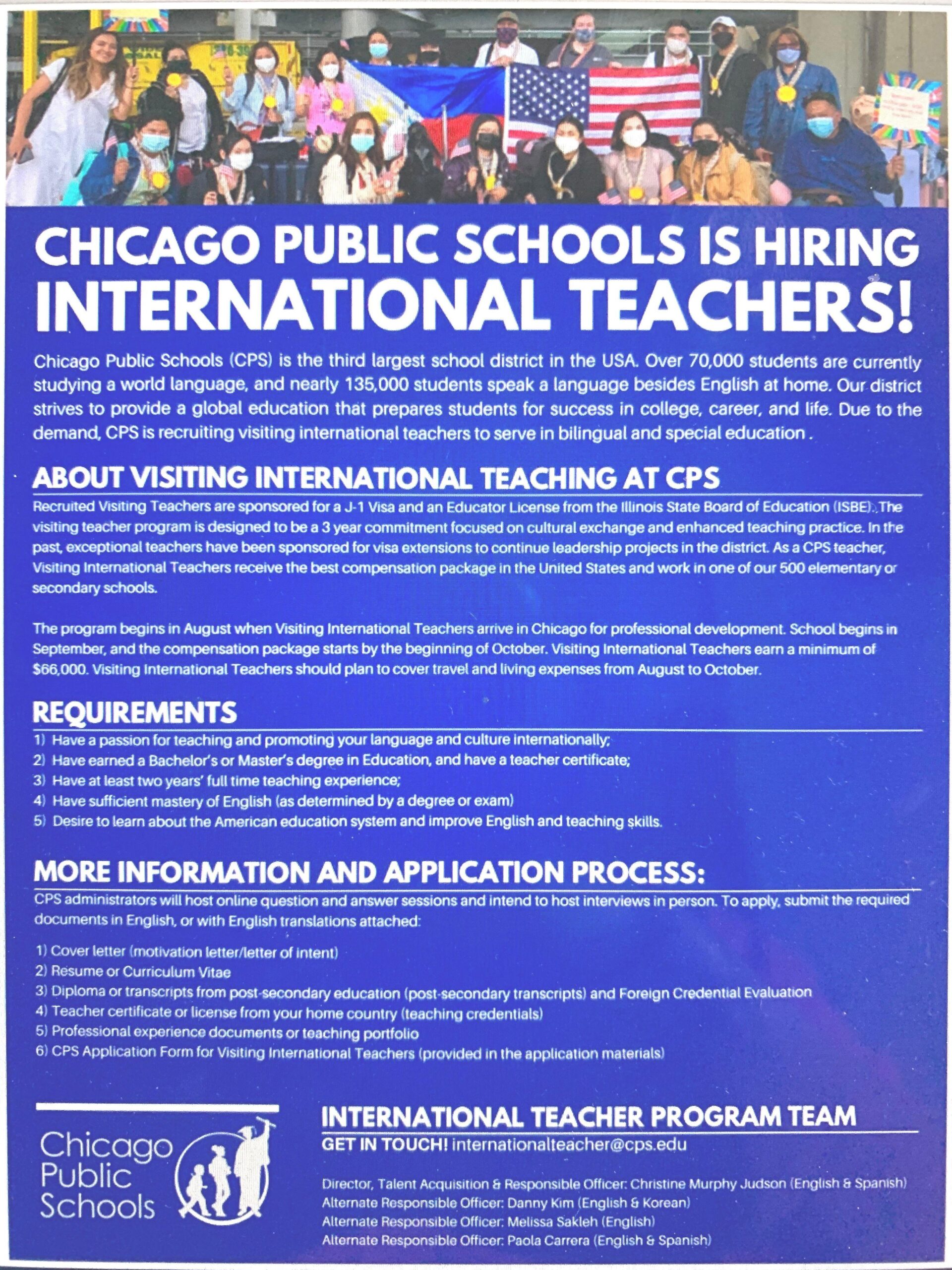
Addressing the Bilingual Education Staffing Crisis in Chicago Public Schools
How Staffing Deficits Are Affecting Bilingual Learners in Chicago
Chicago’s public school system is currently confronting a pressing challenge: a severe shortage of qualified bilingual educators. This deficit is notably alarming given the rising population of English language learners (ELLs) across the city. Schools are struggling to maintain adequate staffing levels, which has led to overcrowded classrooms and diminished personalized support for students who depend on bilingual instruction. The shortage not only reduces the quantity of bilingual teachers but also compromises the quality of education, including culturally relevant teaching and curriculum adaptation essential for language growth and academic success.
Primary factors contributing to bilingual education staffing challenges include:
- A limited pool of certified bilingual teachers proficient in students’ native languages
- High attrition rates driven by burnout and noncompetitive salaries
- Insufficient access to specialized professional development focused on bilingual pedagogy
| School Level | Percentage of Staffing Shortage | Average Student-to-Teacher Ratio |
|---|---|---|
| Elementary | 28% | 35:1 |
| Middle | 34% | 37:1 |
| High | 40% | 40:1 |
Educational leaders warn that without immediate and strategic investments in recruiting, training, and retaining bilingual educators, students risk falling behind in both language proficiency and overall academic achievement. Advocates urge policymakers to implement targeted incentives and reforms to ensure equitable bilingual education access throughout Chicago’s diverse communities.
Obstacles Educators Face in Supporting Bilingual Students
Teachers and support staff in Chicago’s bilingual programs face numerous hurdles that impede their ability to meet the complex needs of ELL students. The scarcity of bilingual personnel fluent in students’ home languages forces existing educators to manage larger caseloads, often without adequate resources or training. This imbalance makes it tough to deliver instruction that simultaneously supports language acquisition and mastery of core academic content.
Additional systemic issues compound these challenges. Inconsistent assessment methods and limited collaboration time restrict educators’ ability to tailor instruction based on student progress. Without standardized tools to measure bilingual proficiency, teachers lack the data necessary to refine their teaching approaches effectively. These pressures contribute to high turnover rates and diminished morale among bilingual staff. Key challenges include:
- Staffing shortages: Less than half of schools meet recommended bilingual teacher-to-student ratios
- Resource scarcity: Limited availability of instructional materials in students’ native languages and outdated technology
- Professional development gaps: Few opportunities for ongoing training tailored to bilingual education needs
- Assessment inconsistencies: Absence of uniform, bilingual-aligned evaluation tools
Academic Implications of Inadequate Bilingual Support
The shortage of bilingual educators in Chicago’s schools has tangible consequences for student achievement. When students lack access to qualified bilingual teachers, they often receive less individualized guidance, making it harder to comprehend complex subjects in both their native language and English. This deficit is reflected in standardized test results, where bilingual learners frequently score below their monolingual peers. Teachers report feeling overwhelmed and underprepared to address the diverse linguistic and academic needs of their students, which exacerbates educational disparities.
Systemic barriers such as insufficient funding and limited professional development opportunities further hinder schools’ ability to attract and retain bilingual staff. The table below highlights the relationship between bilingual staffing ratios and student academic outcomes in Chicago’s bilingual programs:
| Teachers per 100 Students | Average Reading Score | Average Math Score | Student Progress Rate (%) |
|---|---|---|---|
| Below 5 | 62 | 58 | 45 |
| 5-10 | 70 | 65 | 58 |
| Above 10 | 78 | 72 | 73 |
- Insufficient language support hampers comprehension and active participation.
- Excessive caseloads reduce meaningful teacher-student interactions.
- Lack of specialized training leaves educators unprepared for bilingual instructional demands.
Strategic Policy Actions to Bolster Bilingual Education Staffing and Resources
- Expand bilingual teacher planning programs: Strengthening pre-service and in-service training pipelines through partnerships with universities and offering scholarships can attract more bilingual educators into the profession.
- Improve recruitment and retention incentives: Offering competitive salaries, signing bonuses, and clear career advancement opportunities tailored to bilingual educators will help reduce turnover.Continuous professional development focused on culturally responsive teaching should also be prioritized.
- Increase funding for bilingual education resources: Allocating sufficient budgets to procure bilingual instructional materials, modern technology, and support staff is essential to enhance learning environments for ELL students.
- Adopt data-driven staffing strategies: Utilizing current enrollment and language proficiency data to allocate bilingual educators strategically ensures equitable access to quality bilingual instruction across all districts.
| Policy Proposal | Anticipated Outcome |
|---|---|
| Expanded teacher training programs | Greater availability of qualified bilingual educators |
| Retention incentives | Reduced staff turnover and more consistent classroom staffing |
| Increased resource funding | Improved instructional environments and student engagement |
| Data-informed staffing allocation | Fair and effective distribution of bilingual educators |
Final Thoughts
As Chicago’s public schools continue to face a critical shortage of bilingual educators, the effectiveness of programs designed to support the city’s linguistically diverse students is at risk. Without decisive and sustained efforts to recruit, train, and retain qualified bilingual teachers, many students will encounter ongoing obstacles to academic success. Addressing these staffing challenges is vital to ensuring that every student, regardless of language background, has access to the quality education necessary to flourish in school and beyond.