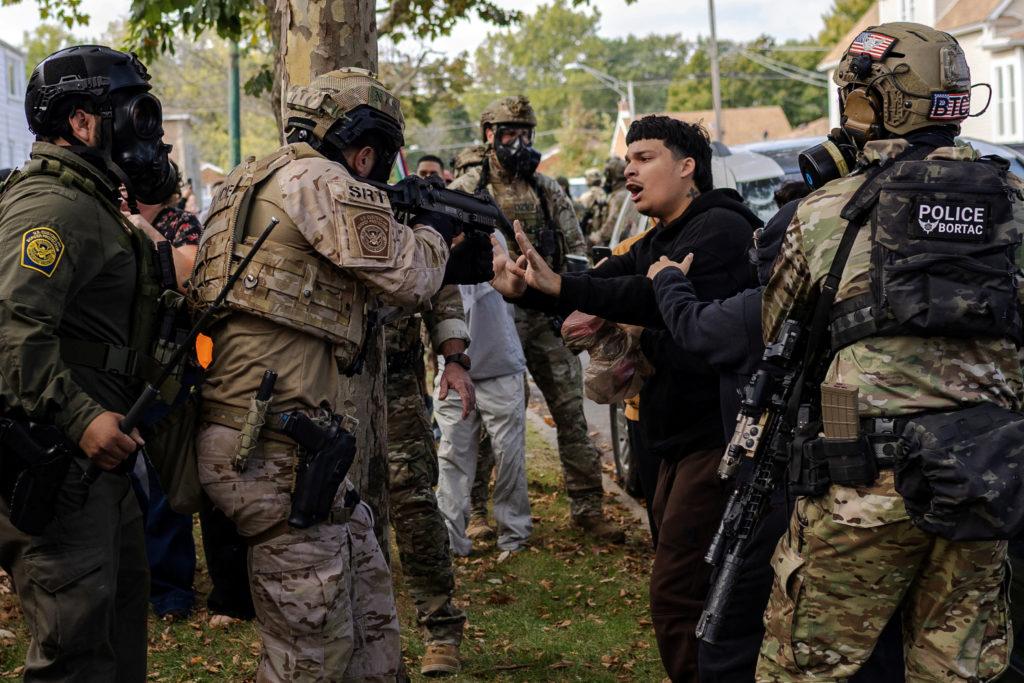
A federal judge has issued a ruling requiring immigration officers operating in the Chicago area to wear body cameras, marking a meaningful advancement in openness and oversight of federal immigration enforcement. The order aims to enhance accountability amid growing concerns over the treatment of detainees and the conduct of officers during immigration actions. Implemented under close judicial scrutiny, this mandate reflects increased calls from advocacy groups and legal experts for greater documentation of encounters between immigration agents and the public.
Judge Mandates Body Cameras for Federal Immigration Officers in Chicago Area
In a significant move aimed at enhancing transparency and accountability, a federal judge has required immigration officers operating in the Chicago metropolitan region to be equipped with body cameras. This mandate comes after growing concerns over the conduct and treatment of individuals during immigration enforcement operations. The court emphasized that the use of body cameras is essential not only for documenting encounters but also for building public trust in law enforcement agencies tasked with sensitive immigration duties.
The ruling specifies several key expectations for the implementation of the body camera program:
- Activation protocols: Cameras must be activated during all immigration stops, searches, and arrests.
- Data storage: Footage must be securely stored for a minimum period of two years to allow for thorough review and potential investigations.
- Privacy safeguards: Officers are required to follow guidelines ensuring the privacy rights of individuals are protected while maintaining transparency.
| Implementation Aspect | Mandate Details |
|---|---|
| Officer Compliance | Mandatory for all federal immigration officers in Chicago area |
| Monitoring Period | Continuous during all enforcement activities |
| Footage Retention | At least 24 months |
| Privacy Protection | Strict guidelines maintaining individual rights |
Impact on Accountability and Transparency in Immigration Enforcement
The mandate requiring federal immigration officers in the Chicago area to wear body cameras marks a significant step toward enhancing accountability in enforcement actions. The recorded footage provides an objective record of interactions between officers and the public, which can be invaluable in addressing complaints and ensuring that proper procedures are being followed. This development comes amid growing concerns about potential abuses and lack of transparency within immigration agencies, fostering a new level of scrutiny that could deter misconduct and improve public trust.
Transparency benefits immensely from the use of body cameras, offering clearer insights into enforcement practices that were previously obscured. Public access to video evidence creates an possibility for informed civic engagement and oversight. Some of the key advantages include:
- Real-time evidence during detentions and raids
- Objective review in cases of alleged rights violations
- Enhanced training tools using actual footage
- Increased trust between immigrant communities and enforcement bodies
| Benefit | Impact |
|---|---|
| Accountability | Reduced incidents of misconduct and false complaints |
| Transparency | Clear documentation of enforcement activities |
| Community Trust | Improved relationships with immigrant populations |
| Policy Evaluation | Data-driven improvements to enforcement protocols |
Challenges and Privacy Concerns Surrounding Body Camera Implementation
The mandate for federal immigration officers in the Chicago area to wear body cameras introduces several complex issues that extend beyond transparency and accountability. One prominent challenge is the potential for data overload, as managing, storing, and reviewing hours of footage requires robust infrastructure and significant financial resources.Agencies must ensure that the technological capabilities are in place to handle this influx of digital evidence without compromising efficiency or accessibility.
Moreover, privacy concerns inevitably arise, affecting not only the officers but also the individuals being recorded. Advocates highlight risks including:
- The inadvertent recording of sensitive personal facts during enforcement actions, which may be exploited or mishandled.
- The potential chilling effect on vulnerable communities, who might feel uneasy or fearful knowing every encounter is documented.
- Data security vulnerabilities that could lead to unauthorized access or leaks of confidential footage.
| Challenge | Potential Impact |
|---|---|
| Data Management | Strains on storage & review resources |
| Privacy Risks | Exposure of personal and sensitive data |
| Community Trust | Possible fear or mistrust among migrants |
| Security Concerns | Susceptibility to data breaches |
Recommendations for Effective Monitoring and Public Oversight
To ensure transparency and accountability, agencies should implement regular audits of body camera footage, supervised by independent civilian review boards. These boards must have unrestricted access to footage, ensuring that practices align with legal and ethical standards. Additionally, training protocols on the correct use of body cameras must be standardized and mandatory, helping officers understand their responsibilities and the technology’s potential to protect both the public and law enforcement personnel.
Public oversight can be strengthened by adopting the following measures:
- Clear data retention policies: Define how long recordings are stored and establish procedures to protect privacy rights.
- Community engagement: Involve local stakeholders in reviewing policies and providing feedback on enforcement practices.
- Transparency reports: Publish periodic reports detailing body camera usage, incidents recorded, and outcomes of investigations.
| Key Element | Purpose |
|---|---|
| Independent Oversight | Building public trust through impartial review |
| Standardized Training | Ensuring consistent and ethical camera use |
| Data Privacy | Protecting individuals’ rights and sensitive info |
| Community Feedback | Fostering dialogue between officers and citizens |
To Conclude
The court’s ruling marks a significant development in the ongoing debate over immigration enforcement and transparency. As federal immigration officers in the Chicago area prepare to implement body camera protocols, advocates and critics alike will be closely monitoring the impact on accountability and community trust. This decision could set a precedent for similar measures in other jurisdictions, highlighting the growing demand for greater oversight of immigration operations nationwide.