Chicago’s Downtown Entertainment Scene: Navigating Challenges and Paving the Way for Renewal
Economic Pressures Reshape Chicago’s Entertainment Landscape
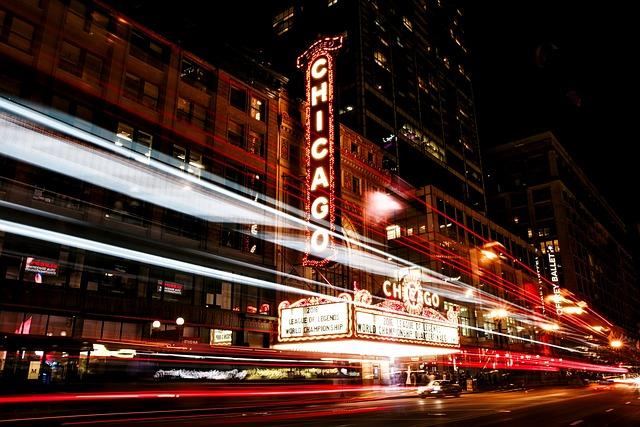
Chicago’s vibrant downtown entertainment area, once a bustling nexus for live performances, dining, and nightlife, is currently confronting notable economic headwinds. The sector is grappling with soaring operational expenses, diminished patronage, and the growing allure of digital entertainment platforms. Venue operators and local businesses are compelled to rethink their approaches to sustain both their financial viability and the cultural richness that attracts millions of visitors each year.
Primary obstacles impacting the district include:
- Increasing costs for rent, utilities, and maintenance
- Shifts in consumer entertainment preferences and behaviors
- Workforce shortages affecting service delivery
- Declines in tourism amid global economic uncertainties
Despite these hurdles, the entertainment district remains a cornerstone of Chicago’s identity and a key driver in the city’s economic rebound.Policymakers and industry leaders stress the importance of coordinated efforts-ranging from fiscal incentives to infrastructure enhancements-to safeguard this cultural landmark. The table below illustrates recent trends that highlight both the vulnerabilities and the critical role of this district within Chicago’s urban framework:
| Metric | 2022 | 2023 | Percentage Change |
|---|---|---|---|
| Event Attendance | 4.8 million | 3.9 million | -18.75% |
| Revenue for Local Businesses ($M) | 150 | 130 | -13.3% |
| Employment in Entertainment Sector | 12,500 | 10,800 | -13.6% |
| Downtown Tourist Visits | 6.2 million | 5.5 million | -11.3% |
Creating a Safe and Lively Nightlife Environment
Striking the right balance between safety and vibrancy is essential to preserving the allure of Chicago’s nightlife district. Stakeholders emphasize that a collaborative approach involving law enforcement, business owners, and community organizations is crucial to maintaining a secure yet inviting atmosphere. This includes proactive policing,improved street lighting,and the deployment of modern security technologies such as smart surveillance systems and emergency communication points. These measures aim to deter criminal activity while ensuring the district remains welcoming and energetic.
Innovative strategies under consideration to sustain this equilibrium include:
- Extended operating hours to stagger crowd flow and reduce congestion
- Community-driven safety patrols complementing official law enforcement
- Refined noise regulations that respect residents’ peace without dampening nightlife
- Enhanced public transit options facilitating safe late-night travel
These initiatives,informed by data analytics and ongoing community input,aim to nurture a nightlife ecosystem that is both prosperous and sustainable. The overarching objective is to protect the social and economic fabric that nightlife contributes to Chicago’s overall urban appeal, ensuring safety and enjoyment for all.
Policy Measures to Bolster Local Entertainment Venues
Chicago’s entertainment venues are at a pivotal moment, requiring more than temporary fixes to thrive long-term. Strategic policy interventions are necessary to build a resilient cultural ecosystem. This involves targeted tax relief to ease financial burdens,streamlined permitting to accelerate event approvals,and increased investment in infrastructure to meet safety and accessibility standards.
Essential policy priorities include:
- Grant programs dedicated to supporting small and medium-sized venues
- Public-private collaborations aimed at revitalizing entertainment corridors
- Balanced noise control policies that address both community and business needs
- Marketing campaigns designed to boost attendance and attract tourists
| Policy Initiative | Anticipated Benefit |
|---|---|
| Tax Credits for Venue Renovations | Stimulates investment in facility improvements |
| Expedited Licensing Processes | Reduces delays, enabling quicker event launches |
| Updated Noise Ordinances | Promotes harmony between venues and local residents |
| Tourism and Event Promotion | Increases visitor numbers and economic impact |
Reviving Downtown Chicago Through Investment and Community Collaboration
Revitalization efforts in Chicago’s downtown entertainment district focus on a strategic combination of financial investment and active community participation. This area, a longstanding cultural and economic hub, faces challenges that require focused funding to upgrade public spaces, enhance infrastructure, and support local businesses. The goal is to create an environment where artistic expression and commercial activity can flourish anew.
Engaging residents, artists, and entrepreneurs is central to these initiatives, ensuring that redevelopment reflects the diverse needs and aspirations of the community. Key areas of focus include:
- Upgrading public safety measures and street lighting
- Providing support programs for small venues and local creatives
- Hosting events that stimulate pedestrian activity
- Improving transit connectivity and walkability
| Investment Focus | Expected Outcome | Community Involvement |
|---|---|---|
| Infrastructure Enhancements | Projected 10% rise in visitor numbers | Community feedback on design and execution |
| Small Business Grants | Stronger local economic base | Oversight by neighborhood committees |
| Arts and Culture Initiatives | Greater public engagement and participation | Event creation and hosting by local artists |
Final Thoughts
As Chicago’s downtown entertainment district confronts a period of uncertainty, its revival is both a formidable challenge and an indispensable priority. The area’s cultural vitality and economic contributions highlight the necessity for ongoing support from city officials, business leaders, and the community at large. The manner in which this iconic district adapts will not only influence Chicago’s short-term recovery but also shape the city’s distinctive urban character for years to come.