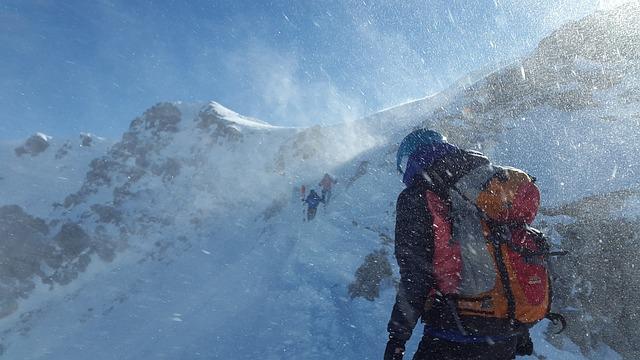
The Chicago metropolitan area is facing a severe cold wave, with temperatures expected to drop to their lowest point since 2019. In light of these hazardous conditions,Chicago Public Schools (CPS) have declared closures to protect both students and staff. Local authorities are strongly advising residents to take all necessary safety measures as the bitter cold settles in. CBS News continues to cover the unfolding situation and its effects on the community.
Record-Breaking Cold Alert Issued for Chicago Overnight
The Chicago region is preparing for an intense cold spell,with temperatures forecasted to plunge far below zero during the night.The National Weather Service has issued an Extreme Cold Warning, highlighting the urgent need for precautions against dangerously low wind chill values that could cause frostbite or hypothermia within minutes. Wind chills are predicted to reach as low as -30°F, making outdoor exposure extremely risky.Vulnerable groups, including seniors and those without shelter, are urged to find safe, warm environments immediately.
In response, Chicago Public Schools have announced closures for the day to ensure the safety of students and staff. Officials recommend residents stay indoors and prepare adequately for the cold.Essential safety advice includes:
- Layer your clothing: Use thermal wear, hats, gloves, and scarves to retain body heat.
- Keep pets indoors: Protect animals from the harsh elements.
- Prevent pipe freezing: Allow faucets to drip and insulate exposed plumbing.
- Check on neighbors: Especially those who are elderly or have disabilities.
| Time | Forecasted Temperature (°F) | Wind Chill (°F) |
|---|---|---|
| 10 PM | -5 | -20 |
| 2 AM | -12 | -28 |
| 6 AM | -15 | -30 |
CPS Implements Closures Amid Historic Temperature Drop
Following the issuance of the extreme cold warning,Chicago Public Schools have decided to close all campuses today to shield students and staff from the dangerously low temperatures expected to grip the city. Meteorologists warn that overnight lows could reach levels unseen since 2019, with wind chills exacerbating the already severe cold across the metropolitan area.Officials emphasize that these closures are a critical safety measure, given the heightened risk of cold-related health emergencies such as frostbite and hypothermia.
Residents are encouraged to follow these safety guidelines during the cold snap:
- Wear multiple layers to maintain warmth.
- Limit time outdoors to reduce exposure to freezing conditions.
- Check on elderly and vulnerable neighbors regularly.
- Restrict travel and outdoor activities to essential purposes only.
| Temperature Metric | Projected Value | Comparison to Past Records |
|---|---|---|
| Lowest Nighttime Temperature | -15°F (-26°C) | Coldest since 2019 |
| Wind Chill | -30°F (-34°C) | Record low for this date |
Health Advisories to Prevent Cold-Related Illnesses
With temperatures plunging to levels not seen in several years,health officials are urging the public to take swift action to avoid cold-induced ailments such as hypothermia and frostbite.Limiting outdoor exposure,especially during the coldest nighttime hours,is crucial.Wearing insulated, layered clothing and covering all exposed skin can significantly reduce the risk of serious health complications.Special attention should be given to children, seniors, and those with pre-existing health conditions.
Health experts recommend the following precautions:
- Wear insulated garments including hats,gloves,and scarves.
- Stay dry to prevent heat loss caused by moisture.
- Regularly check on neighbors who may be at risk.
- Avoid alcohol,as it impairs the body’s heat retention.
- Use heating devices responsibly to prevent fire hazards and carbon monoxide poisoning.
| Symptom | Recommended Action |
|---|---|
| Frostbite (numbness, pale or waxy skin) | Seek shelter indoors and warm affected areas gradually. |
| Hypothermia (intense shivering, confusion, slurred speech) | Call emergency services immediately. |
| Slippery surfaces | Wear footwear with good traction and walk cautiously. |
Essential Winter Safety Tips for Extreme Cold
When facing historic cold temperatures, thorough preparation is vital to avoid cold-related health risks. Dressing in multiple layers of loose, insulated clothing helps trap body heat effectively. Prioritize thermal undergarments, wool socks, and insulated gloves, along with hats that cover the ears. Protect your face with scarves or masks when venturing outdoors. Staying dry is equally important, so opt for waterproof outerwear to shield against wind and moisture.
Home safety measures are also critical during extreme cold events. Ensure heating systems are well-maintained and operational. Keep emergency supplies such as blankets, flashlights, and non-perishable food stocked in case of power outages.Avoid using kitchen appliances like gas stoves for heating to prevent carbon monoxide buildup. If travel is unavoidable, inform someone of your route and expected arrival time, and carry an emergency kit containing blankets, food, water, and a flashlight.
- Monitor weather updates frequently.
- Limit time spent outdoors.
- Keep pets indoors or provide adequate shelter.
- Never leave children or elderly individuals unattended in extreme cold.
| Emergency Item | Suggested Quantity |
|---|---|
| Warm Blankets | At least 2 per person |
| Bottled Water | Minimum 1 gallon per person per day |
| Non-Perishable Food | Supply for at least 3 days |
| Flashlights with Extra Batteries | One per room |
Final Thoughts on Chicago’s Extreme Cold Warning
As Chicago endures this historic cold snap-the most severe since 2019-residents are strongly encouraged to adopt all recommended safety measures to protect themselves and their loved ones. With Chicago Public Schools closed to ensure the well-being of students and staff, city officials remain vigilant, providing support and resources to those most at risk. Limiting outdoor exposure and checking on neighbors are vital steps during this unprecedented cold event. Stay connected with CBS News for continuous updates as the city navigates these frigid conditions.