Experience the Northern Lights: A Guide to Viewing Aurora Borealis in Chicago and Illinois
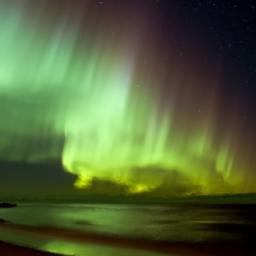
Residents of Chicago and the broader Illinois region are being treated to a rare celestial event as the northern lights continue to illuminate the night sky for a second evening.This captivating natural phenomenon, driven by increased solar activity, offers a unique chance to witness the aurora borealis without traveling far north. Below, discover expert advice, prime viewing spots, and practical tips to make the most of this extraordinary spectacle.
Optimizing Your Northern Lights Viewing Experience in Illinois
To increase your likelihood of seeing the aurora borealis,it’s essential to seek out locations with the least amount of artificial light. Dark sky areas such as Starved Rock State Park or the Illinois-Wisconsin border region provide excellent conditions for observing the shimmering lights. Before heading out, consult local weather forecasts to ensure clear skies, as cloud cover can easily obscure even the most brilliant auroras. Additionally, leveraging geomagnetic activity trackers and apps that monitor the Kp index can help you time your viewing for peak aurora intensity.
Given the typically cool temperatures in Illinois during early spring nights, dressing in insulated layers is crucial for comfort.Photographers should prepare with a sturdy tripod and a wide-angle lens to capture the expansive sky. Here’s a checklist of essential gear to bring along:
| Item | Function |
|---|---|
| Insulated clothing layers | Maintain warmth during prolonged outdoor exposure |
| Tripod | Ensure camera stability for sharp night images |
| Wide-angle lens | Capture broad, sweeping views of the sky |
| Red-light headlamp | Preserve night vision while adjusting equipment |
| Aurora tracking application | Receive real-time updates on solar and geomagnetic activity |
Best Illinois Destinations to Witness the Aurora Borealis
Urban light pollution in Chicago can significantly diminish the visibility of the northern lights, so venturing to darker, less populated areas is advisable. Starved Rock State Park and Matthiessen State Park, with their expansive forests and open skies, offer some of the clearest views.For those preferring a lakeside setting, North Avenue Beach and Montrose Point Bird Sanctuary along Lake Michigan provide stunning waterfront backdrops that enhance the aurora’s reflection and visual impact.
Beyond these well-known spots, hidden gems like Shabbona Lake State Park and Kankakee River State Park offer tranquil environments with minimal light interference and wide horizons, perfect for aurora observation. Below is a summary of top viewing locations with their distances from Chicago and notable features:
| Location | Distance from Chicago | Highlight |
|---|---|---|
| Starved Rock State Park | Approximately 90 miles southwest | Scenic cliffs and wilderness vistas |
| Montrose Point Bird Sanctuary | About 12 miles north | Lake Michigan shoreline views |
| Shabbona Lake State Park | Roughly 65 miles west | Open fields and lakefront scenery |
| Kankakee River State Park | Near 60 miles south | Peaceful river valley setting |
Nighttime Photography and Viewing Strategies for the Aurora
Capturing the northern lights requires thoughtful planning and patience. Select a viewing site free from city lights to fully appreciate the aurora’s brilliance. Dress in warm, layered clothing to stay cozy during extended periods outdoors. A tripod is indispensable for steady shots during long exposures, and using a remote shutter or timer helps prevent camera shake. Scouting your location during daylight can reveal engaging foreground elements-such as trees or rock formations-that add depth to your photos.
Set your camera to manual mode with a wide aperture (f/2.8 or wider) and a high ISO (between 1600 and 3200) to effectively capture the faint glow of the aurora.Experiment with exposure durations from 5 to 25 seconds to find the right balance between brightness and detail without washing out stars. Keep spare batteries warm in your pockets,as cold weather can quickly drain power.For those new to night photography, many modern smartphones now include night modes capable of producing extraordinary aurora images with minimal effort. Below is a quick guide to recommended camera settings:
| Camera Setting | Suggested Range |
|---|---|
| Aperture | f/2.8 or wider |
| ISO | 1600-3200 |
| Exposure Time | 5-25 seconds |
| Focus | Manual, set to infinity |
Current Weather and Solar Activity: What to Expect Tonight
Tonight’s aurora display over Chicago and Illinois is supported by favorable weather and strong solar influences. Forecasts predict mostly clear skies with only 10-20% cloud cover and light, variable winds around 5 mph, creating ideal conditions for unobstructed viewing. Temperatures are expected to be near 35°F (1.6°C), so dressing warmly is essential. The new moon phase further reduces ambient light, allowing the aurora’s vivid hues to stand out more dramatically against the dark sky.
The ongoing geomagnetic activity is driven by solar wind streams from a recent coronal hole on the sun, maintaining KP index levels between 5 and 6. This moderate geomagnetic storm intensity is known to produce shining and dynamic auroral displays. For the best experience, seek out rural areas and state parks north and west of Chicago, where light pollution is minimal and horizons are wide open.
- Monitor KP index and solar wind speed updates throughout the evening.
- Choose locations with clear views toward the northern horizon.
- Bring warm clothing, a comfortable chair, and blankets for extended viewing.
- Be patient, as aurora brightness can vary unpredictably.
| Weather Element | Details |
|---|---|
| Cloud Cover | 10-20%, predominantly clear |
| Wind Speed | 5 mph, light and variable |
| Temperature | 35°F (1.6°C) |
| Moon Phase | New Moon, minimal ambient light |
| KP Index | 5-6, indicating moderate geomagnetic activity |
Final Thoughts: Don’t Miss Tonight’s Aurora Borealis in Illinois
As the northern lights continue to grace the skies above Chicago and Illinois for a second night, this is a rare chance for locals and visitors to witness one of nature’s most enchanting phenomena.Whether you’re an experienced aurora chaser or a first-time observer, tonight offers another possibility to see the vibrant colors dancing overhead. Stay connected with CBS News for the latest updates and expert advice on how to best enjoy the northern lights in your area.