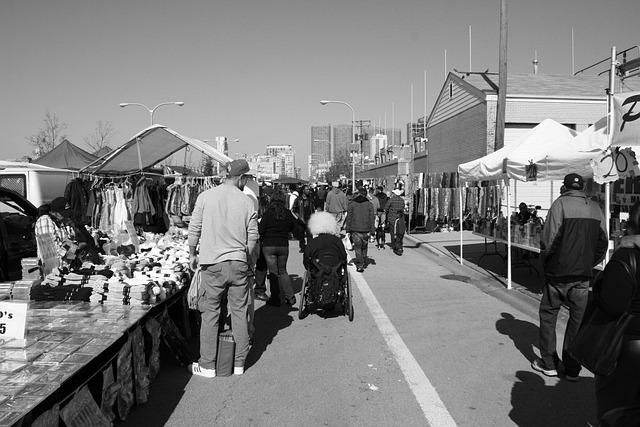
Amid an intensified federal immigration crackdown, Chicago residents have launched a surprising response: buying out street vendors across the city. This grassroots initiative aims to support immigrant entrepreneurs who face increasing pressure and uncertainty due to heightened enforcement measures. The movement, highlighted in a recent report by WTTW, underscores the complex intersection of immigration policy, local economy, and community solidarity in Chicago.
Chicago Residents Rally to Support Street Vendors Facing Federal Immigration Enforcement
In response to the recent federal immigration enforcement actions targeting street vendors in Chicago, local residents have mobilized to offer tangible support by purchasing goods in bulk, ensuring these small business owners can sustain their livelihoods. This grassroots effort has seen community members flock to popular vendor spots, creating a wave of solidarity that not only fuels these vendors’ sales but also sends a powerful message of resistance against harsh federal policies. Vendors expressing gratitude describe the atmosphere as one of hope and resilience, highlighting the community’s profound interdependence during times of crisis.
The movement has inspired several organized actions throughout the city, including:
- Pop-up markets featuring exclusively immigrant-run stalls.
- Social media campaigns amplifying vendor stories and needs.
- Local business partnerships to provide legal and financial aid.
These initiatives have not only boosted sales but also raised awareness about the critical economic and cultural role street vendors play in Chicago’s neighborhoods. Community leaders emphasize that protecting these vendors is essential for maintaining the city’s vibrant and diverse street life.
Impact of Immigration Crackdown on Local Small Businesses and Street Economy
The recent federal immigration crackdown in Chicago has reverberated deeply through the city’s street economy, putting tremendous pressure on local small businesses that rely heavily on immigrant labor and customers. Many street vendors, who form an integral part of the city’s cultural and economic fabric, have seen their daily operations disrupted or halted due to increased enforcement actions. This has led to a remarkable shift as Chicagoans have stepped up to buy out goods from these vendors, showing solidarity but also highlighting the fragility of an informal economy that operates largely under the radar.
The consequences extend beyond just supply and demand; the crackdown threatens the sustainability of numerous small businesses that depend on street vendors’ foot traffic and community networks. Observers note several key impacts:
- Reduced economic activity: As vendors disappear from sidewalks, neighborhood foot traffic diminishes, affecting adjacent shops and cafes.
- Loss of cultural diversity: Many street vendors offer authentic foods and crafts, contributing to the city’s vibrant multicultural identity.
- Increased economic insecurity: Many undocumented workers face job loss and uncertain futures, amplifying inequality in vulnerable communities.
| Impact Area | Effect | Community Response |
|---|---|---|
| Local Commerce | Drop in daily sales by 30% | Chicagoans purchasing vendor goods directly |
| Employment | Jobs lost among undocumented workers | Calls for worker protection reforms |
| Cultural Presence | Decline in diverse street offerings | Community campaigns to preserve cultural vendors |
Community-Led Initiatives Offer Financial and Legal Aid to Affected Vendors
Grassroots organizations and local community groups in Chicago have mobilized swiftly to support street vendors impacted by the ongoing federal immigration crackdown. These initiatives aim to provide both immediate financial relief and long-term legal assistance to those facing heightened risks of detention or deportation.Volunteer-driven fundraising efforts, including benefit markets and online campaigns, have rapidly gathered funds to help vendors maintain their livelihoods during this turbulent period.
Legal aid clinics have also been established in various neighborhoods, offering free consultations and assistance with immigration paperwork. These programs emphasize cultural sensitivity and accessibility,ensuring vendors can receive support nonetheless of language barriers or documentation status. Among the services provided are:
- Know-your-rights workshops
- Help with visa applications and asylum claims
- Emergency financial grants
- Connection to local pro bono attorneys
| Service Offered | Estimated Reach | Institution |
|---|---|---|
| Emergency Financial Aid | 300 vendors/month | Chicago Vendor Alliance |
| Legal Consultation | 150 clients/month | Immigrant Rights Center |
| Resources & Workshops | 500 participants/quarter | Better Together Chicago |
Policy Recommendations to Protect Immigrant Entrepreneurs and Preserve Urban Commerce
Amid the rising federal immigration enforcement that threatens the livelihoods of thousands of immigrant street vendors in Chicago, city officials and advocates are calling for targeted policy interventions to safeguard these vital urban entrepreneurs. Key recommendations include the establishment of legal frameworks that provide temporary work permits and deferred action programs to shield vendor businesses from abrupt shutdowns. Additionally, promoting access to microloans and community-based financial resources would empower immigrant vendors to formalize and expand their operations within the legal economy.
Urban commerce preservation also demands more inclusive municipal strategies. Cities are urged to:
- Implement culturally sensitive business licensing programs that recognize diverse economic contributions.
- Create dedicated vendor zones to promote safe and accessible commercial corridors.
- Provide multilingual legal assistance and business education workshops to increase vendor compliance and resilience.
| Policy Area | Recommended Action | Expected Outcome |
|---|---|---|
| Legal Support | Temporary permits & legal aid | Business continuity amid crackdowns |
| Financial Inclusion | Microloans & grant programs | Increased vendor capital and growth |
| Urban Planning | Designated vending zones | Enhanced public safety and commerce |
Concluding Remarks
As Chicagoans continue to navigate the complexities of immigration enforcement and community support, the recent surge in buying out street vendors highlights both the resilience of local entrepreneurship and the tensions sparked by federal crackdowns. This evolving situation underscores the need for thoughtful dialog and policies that balance public safety with the protection of immigrant livelihoods. WTTW will continue to monitor developments and provide updates on how these dynamics impact the city’s social and economic fabric.