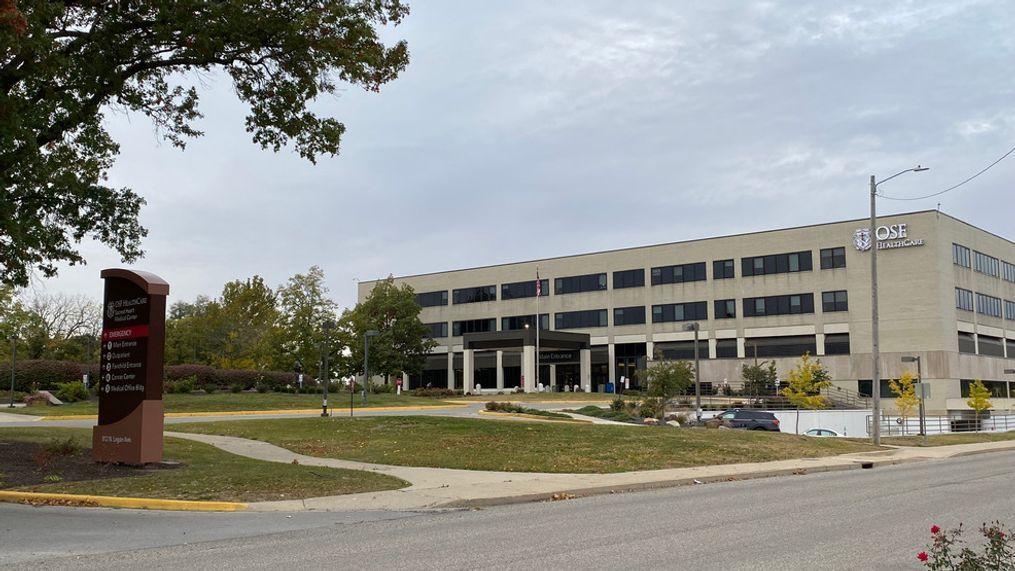
Illinois Rural Hospitals Face Uncertain Future Amid Medicaid Funding Cuts
Financial Pressures Mount for Rural Healthcare Providers
As Illinois anticipates significant reductions in Medicaid funding, rural hospitals throughout the state are confronting an increasingly fragile financial landscape. These healthcare institutions,which already operate with minimal margins,serve as indispensable access points for medical care in sparsely populated areas.Hospital leaders warn that diminished Medicaid reimbursements could compel some facilities to shutter or drastically curtail services, jeopardizing emergency and primary care availability for rural residents. This scenario also risks overwhelming urban hospitals, which may experience increased patient inflows and resource constraints.
Beyond healthcare delivery, rural hospitals play a vital role in sustaining local economies by providing employment and community support. However, they face persistent challenges such as:
- Lower patient volumes relative to metropolitan hospitals
- A higher proportion of uninsured or underinsured individuals
- Heavy reliance on Medicaid as a primary revenue stream
The table below highlights the potential financial impact of Medicaid cuts on a typical rural hospital in Illinois:
| Financial Indicator | Current Status | Estimated Post-Cut Status |
|---|---|---|
| Annual Medicaid Revenue | $12 million | $8.4 million |
| Operating Margin | 2.5% | -1.3% |
| Staff Count | 150 employees | 120 employees |
Barriers to Healthcare Access and Quality in Rural Communities
Illinois’ rural hospitals are not only threatened by funding cuts but also face longstanding obstacles that hinder their ability to provide comprehensive care. Limited financial resources, workforce shortages, and aging infrastructure contribute to challenges in delivering timely and effective medical services. Patients frequently enough must travel considerable distances for routine or specialized care,which can delay treatment and negatively affect health outcomes.
Key issues impacting rural healthcare include:
- Insufficient funding: Medicaid reimbursement reductions directly undermine operational viability.
- Healthcare workforce deficits: Difficulty attracting and retaining physicians and nurses in rural settings.
- Outdated facilities: Inadequate technology and infrastructure impede modern diagnostic and treatment capabilities.
| Challenge | Consequences |
|---|---|
| Funding Shortfalls | Service reductions and layoffs |
| Staffing Gaps | Longer wait times and limited specialty care |
| Infrastructure Deficiencies | Slower diagnostics and outdated equipment |
Compounding Economic and Workforce Challenges
The operational difficulties faced by rural hospitals in Illinois are intensified by economic pressures and persistent workforce shortages.With Medicaid reimbursements set to decline, these hospitals must navigate shrinking budgets amid rising costs for supplies, pharmaceuticals, and utilities. Many are forced to reconsider staffing levels,delay equipment upgrades,and scale back patient programs. The heavy dependence on Medicaid funding is particularly problematic in rural areas, where a large segment of the population relies on this coverage for healthcare access.
Factors exacerbating operational strain include:
- Chronic shortages of nurses and physicians, leading to increased burnout and reduced patient coverage.
- Inflationary pressures elevating the cost of medical essentials and facility operations.
- Limited availability of specialists, necessitating costly patient transfers to urban centers.
- Declining patient visits as transportation challenges and financial barriers cause delays or avoidance of care.
| Issue | Effect | Proposed Remedy |
|---|---|---|
| High Staff Turnover | Increased recruitment costs and disrupted continuity of care | Enhance retention incentives and professional progress |
| Medicaid Funding Cuts | Reduced services and deferred maintenance | Pursue alternative grant funding and flexible payment models |
| Limited Patient Access | Lower patient throughput and delayed care | Expand telemedicine and mobile health initiatives |
Strategic Policy Solutions to Preserve Rural Healthcare
To safeguard the future of rural hospitals in Illinois, policymakers must implement targeted strategies that mitigate the impact of Medicaid funding reductions. Introducing alternative payment frameworks-such as bundled payments or value-based reimbursement models-can provide more predictable revenue streams while incentivizing quality care. Expanding broadband infrastructure is essential to support telehealth services, which can reduce patient travel burdens and optimize resource use.
Workforce development is another critical area requiring investment. Programs focused on recruiting, training, and retaining healthcare professionals in rural communities will help address chronic staffing shortages.Collaborative efforts among state agencies, local governments, and healthcare organizations can foster innovative partnerships, including integrating community health workers and telemedicine specialists to enhance care delivery.
Recommended policy actions include:
- Secure stable Medicaid funding through dedicated block grants for rural hospitals.
- Improve broadband access to facilitate widespread telehealth adoption.
- Adopt flexible payment models that reward patient outcomes rather than service volume.
- Strengthen workforce pipelines by connecting rural residents with healthcare career opportunities.
- Encourage multi-sector collaboration among public,private,and nonprofit entities to streamline care coordination.
| Policy Focus | Action Item | Anticipated Outcome |
|---|---|---|
| Funding | Implement Medicaid block grants | Enhanced financial stability for rural hospitals |
| Technology | Expand rural broadband infrastructure | Greater telehealth accessibility |
| Workforce | Offer incentives for rural healthcare workers | Reduced staffing shortages and improved retention |
| Collaboration | Foster partnerships across sectors | Improved care coordination and resource sharing |
Conclusion: Navigating the Path Forward for Illinois’ Rural Hospitals
As Illinois faces impending Medicaid funding cuts, the sustainability of rural hospitals hangs in the balance. These institutions are critical to the health and well-being of countless residents in underserved areas,yet financial pressures threaten their continued operation. Stakeholders call for immediate, thoughtful interventions to preserve access to essential healthcare services.The decisions made in upcoming budget deliberations will serve as a crucial measure of Illinois’ commitment to balancing fiscal obligation with the healthcare needs of its most vulnerable populations.