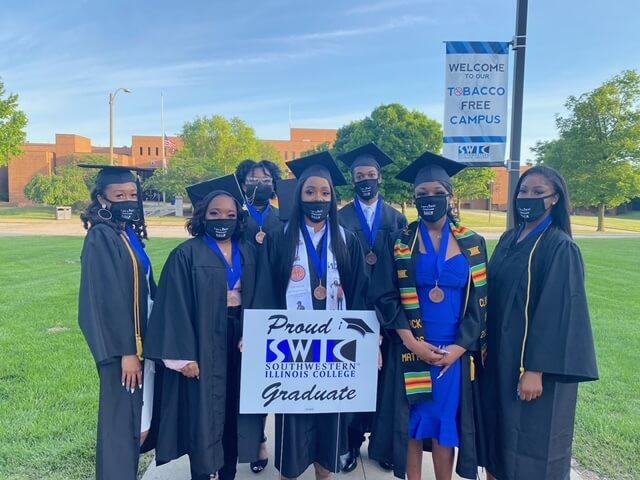
Unlocking Economic Potential: The Value of Higher Education for Illinois High School Graduates
How Higher Education Influences Earnings for Illinois Graduates
Recent analyses of Illinois workforce data reveal a pronounced financial advantage for high school graduates who pursue college degrees. Individuals holding a bachelor’s degree or higher consistently earn substantially more annually than those with only a high school diploma. This income disparity persists across various demographic groups and regions within Illinois, highlighting higher education as a reliable avenue toward economic security and career advancement.
- Median Earnings: Degree holders typically earn about 40% more than their non-degree counterparts.
- Job Stability: Those with college credentials experience lower unemployment rates and greater employment continuity.
- Career Progression: Earnings for graduates tend to grow steadily over time, unlike the stagnant or declining wages often seen among non-degree holders.
| Education Level | Median Annual Income | Unemployment Rate |
|---|---|---|
| High School Diploma | $36,000 | 7.0% |
| Associate Degree | $44,000 | 4.8% |
| Bachelor’s Degree or Higher | $50,500 | 3.1% |
Income Variations by Degree Level: A Closer Look
Examining earnings through the lens of educational attainment reveals critically important income gaps among Illinois high school graduates. Those who advance their education beyond high school-whether through associate, bachelor’s, or graduate degrees-enjoy markedly higher lifetime earnings compared to peers without postsecondary credentials. This financial divide underscores the importance of investing in higher education as a catalyst for upward economic mobility.
Key insights by degree type include:
- Associate Degree: Graduates earn roughly 22% more annually than those with only a high school diploma.
- Bachelor’s Degree: Holders see an average income increase nearing 50%, reflecting the premium on four-year degrees.
- Graduate Degrees: Master’s and doctoral degree recipients often double the earnings of high school-only graduates, highlighting the value of advanced study.
| Education Level | Average Annual Earnings (USD) | Income Increase Compared to High School Diploma |
|---|---|---|
| High School Diploma | $36,000 | – |
| Associate Degree | $44,000 | +22% |
| Bachelor’s Degree | $53,500 | +49% |
| Graduate Degree | $72,000 | +100% |
Vocational Training and Alternative Education: Expanding Economic Opportunities
Beyond traditional college degrees, vocational education and alternative learning pathways are gaining recognition as effective routes to economic success for Illinois high school graduates. These programs emphasize practical skills and certifications tailored to industries with strong labor demand, such as healthcare, advanced manufacturing, and information technology. By prioritizing hands-on training, vocational pathways frequently enough lead to quicker employment with competitive salaries.
Advantages of vocational and alternative education include:
- Faster transition into the workforce compared to four-year degree programs
- Lower overall educational expenses, reducing reliance on student loans
- Alignment with local and regional job market needs, improving employment prospects
| Pathway | Average Starting Salary | Typical Program Length |
|---|---|---|
| Apprenticeships | $46,000 | 1-2 years |
| Technical Certifications | $41,000 | 6-12 months |
| Associate Degrees | $49,000 | 2 years |
Strategies to Enhance Access and Affordability in Higher Education
To broaden college accessibility and reduce financial barriers for Illinois students, policymakers should focus on increasing investments in public higher education institutions and expanding targeted financial aid programs. Enhancing state-funded grants aimed at supporting low- and middle-income families can considerably decrease dependence on student loans. Additionally,bolstering college advising services in high schools can empower students to better navigate admissions and scholarship opportunities.
Further initiatives include fostering seamless transfer agreements between community colleges and four-year universities, implementing structured degree pathways to minimize excess credits, and promoting transparency in tuition costs and educational outcomes. These measures collectively aim to shorten time-to-degree and lower overall expenses, making higher education more attainable.
- Increase funding for need-based scholarships and grants
- Expand complete college counseling in secondary schools
- Strengthen articulation agreements between two- and four-year institutions
- Introduce incentives for timely degree completion
- Enhance transparency regarding tuition fees and graduation rates
| Policy Focus | Recommended Action | Anticipated Outcome |
|---|---|---|
| Financial Support | Expand state grant programs | Lower student debt levels |
| Advising Services | Enhance high school college counseling | Increase college enrollment rates |
| Transfer Pathways | Strengthen community college partnerships | Improve degree completion rates |
| Transparency | Disclose tuition and success metrics | Enable informed decision-making |
Looking Ahead: The Continuing Importance of Higher Education in Illinois
Data from Illinois clearly illustrates that earning a college degree significantly enhances the earning potential of high school graduates. As educators and policymakers strive to close income disparities and promote economic mobility,these insights reaffirm the vital role of higher education in achieving financial security. Moving forward, expanding access to affordable college options and strengthening support systems for students will be crucial to ensuring that more Illinois residents can reap the substantial economic rewards associated with postsecondary education.