Understanding Chicago’s Crime Trends: Why Public Perception Lags Behind the Data
Chicago’s Crime Statistics Show a Marked Improvement Amid Persistent Public Concern
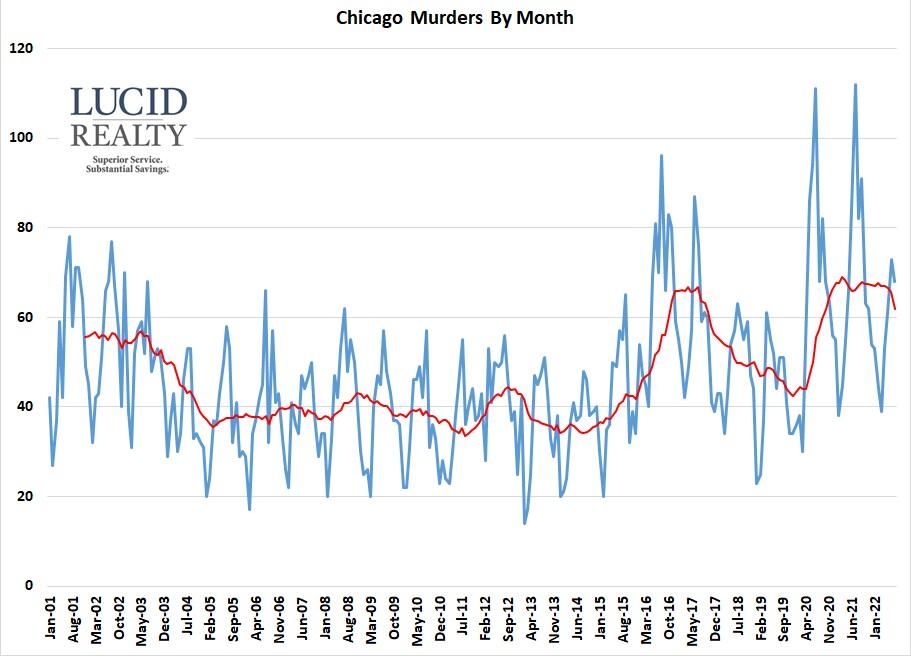
Over recent years, official reports from the Chicago Police Department reveal a substantial reduction in crime across various categories, signaling progress in the city’s safety efforts. Between 2018 and 2023, key crime indicators have shifted notably:
- Homicides have fallen by approximately 27%
- Aggravated assaults decreased by 21%
- Vehicle thefts dropped by 15%
- Burglaries declined by 12%
Despite these encouraging statistics, many Chicago residents continue to express unease about their safety.Experts suggest this disconnect stems from several intertwined causes:
- Intense media spotlight on violent crimes, often highlighting the most dramatic cases.
- Social media’s role in rapidly spreading individual crime stories, which can exaggerate the perceived frequency of incidents.
- Localized crime surges in specific neighborhoods that may not represent the overall citywide trend but heavily influence community sentiment.
| Crime Category | 2018 Incidents | 2023 Incidents | Percentage Change |
|---|---|---|---|
| Homicides | 561 | 410 | -27% |
| Aggravated Assaults | 4,200 | 3,320 | -21% |
| Vehicle Thefts | 16,500 | 14,000 | -15% |
| Burglaries | 9,800 | 8,600 | -12% |
How Media Narratives Influence Public Fear of Crime
The media plays a pivotal role in shaping how residents perceive crime, often magnifying fears despite statistical improvements.News outlets frequently prioritize sensational stories with graphic details, which naturally attract more attention but can distort the broader reality.This selective emphasis on rare but dramatic events can create a false impression that crime is escalating uncontrollably.
Social media platforms further intensify this effect by rapidly circulating individual crime reports, sometimes detached from context or follow-up details. Algorithms tend to promote content that triggers strong emotional reactions, reinforcing a narrative of danger that may not align with actual trends.
Additionally, crime reporting often lacks depth, focusing on victimization without highlighting positive developments or the nuances of crime reduction efforts.This oversimplification can lead to a skewed public understanding, where progress is overshadowed by fear.
| Focus Area | Typical Media Portrayal | Actual Data Insights |
|---|---|---|
| Violent Crime | Portrayed as rapidly increasing | Decreased by 12% over five years |
| Property Crime | Frequent alarming reports | Steady decline, down 8% as 2019 |
| Geographic Crime Clusters | Focus on isolated hotspots | Crime concentrated but generally decreasing |
- Selective emphasis: Highlighting rare incidents over common trends.
- Emotional storytelling: Prioritizing fear-inducing narratives rather than balanced analysis.
- Context omission: Neglecting to report on improvements and positive changes.
Community Policing and Grassroots Efforts: Driving Crime Reduction in Chicago
Community policing has become a vital strategy in Chicago’s crime reduction toolkit, emphasizing partnership and trust between law enforcement and local residents.By assigning officers to specific neighborhoods,police can engage more deeply with community members,addressing concerns proactively and fostering a safer environment.
Complementing these efforts, grassroots programs tackle underlying social issues such as youth disengagement, mental health challenges, and economic disparities-factors often linked to criminal behaviour but overlooked by traditional policing.
Successful components of these initiatives include:
- Regular officer presence: Building familiarity and open communication channels.
- Joint problem-solving: Collaborating with residents to identify and address crime hotspots.
- Youth engagement programs: Providing mentorship and after-school activities to divert at-risk youth from criminal paths.
- Data-informed strategies: Adjusting resources based on up-to-date crime statistics and community input.
| Program | Primary Focus | Measured Outcomes |
|---|---|---|
| Block Captain Network | Neighborhood Engagement | 40% decrease in local property crimes |
| Youth Mentorship Initiative | Juvenile Crime Prevention | 25% reduction in youth-related offenses |
| Conflict Resolution Programs | Mediation and Violence Reduction | 45% fewer violent altercations |
Closing the Divide: Enhancing Transparency and Public Trust in Crime Reporting
Bridging the gap between actual crime data and public perception requires innovative communication strategies that promote transparency and community involvement.One promising approach is the deployment of interactive, real-time crime mapping tools accessible via smartphones and websites, enabling residents to monitor incidents in their neighborhoods instantly and accurately.
Additionally, hosting regular forums where law enforcement and civic leaders present and explain crime statistics can foster informed dialog, dispel misconceptions, and build trust. These engagements encourage residents to move beyond anecdotal fears and understand the broader context of safety improvements.
The following table summarizes effective methods for improving public understanding and confidence:
| Approach | Objective | Expected Benefit |
|---|---|---|
| Neighborhood Crime Dashboards | Provide localized, up-to-date crime data | Enhances situational awareness and safety planning |
| Community Data Forums | Facilitate data-driven conversations with residents | Builds trust and counters misinformation |
| Media Collaboration Initiatives | Encourage balanced and accurate crime reporting | Improves public understanding and sentiment |
| Public Education Campaigns | Teach residents how to interpret crime data | Empowers informed community discussions |
Conclusion: Aligning Reality and Perception for a Safer Chicago
While Chicago’s crime statistics demonstrate meaningful declines in violent and property crimes, public sentiment often remains clouded by fear and misinformation. This divergence is fueled by media practices, social media dynamics, and localized crime fluctuations. To foster a safer and more unified city, it is essential for policymakers, law enforcement, and community leaders to prioritize clear communication, community engagement, and education. By narrowing the gap between data and perception, Chicago can continue to build on its progress and cultivate a more confident, informed public.